Cochamó Valley Hike: Our Trek to La Junta and the Toboganes in the Chilean Yosemite
The Cochamó Valley: A Wilderness Retreat
Deep in Chilean Patagonia, we went on an adventure on the Chochamo valley hike. Known for its granite domes, this valley is sometimes called the Chilean Yosemite. It is revealing unspoiled nature and superb hikes to travellers willing to trade a little comfort for adventure.
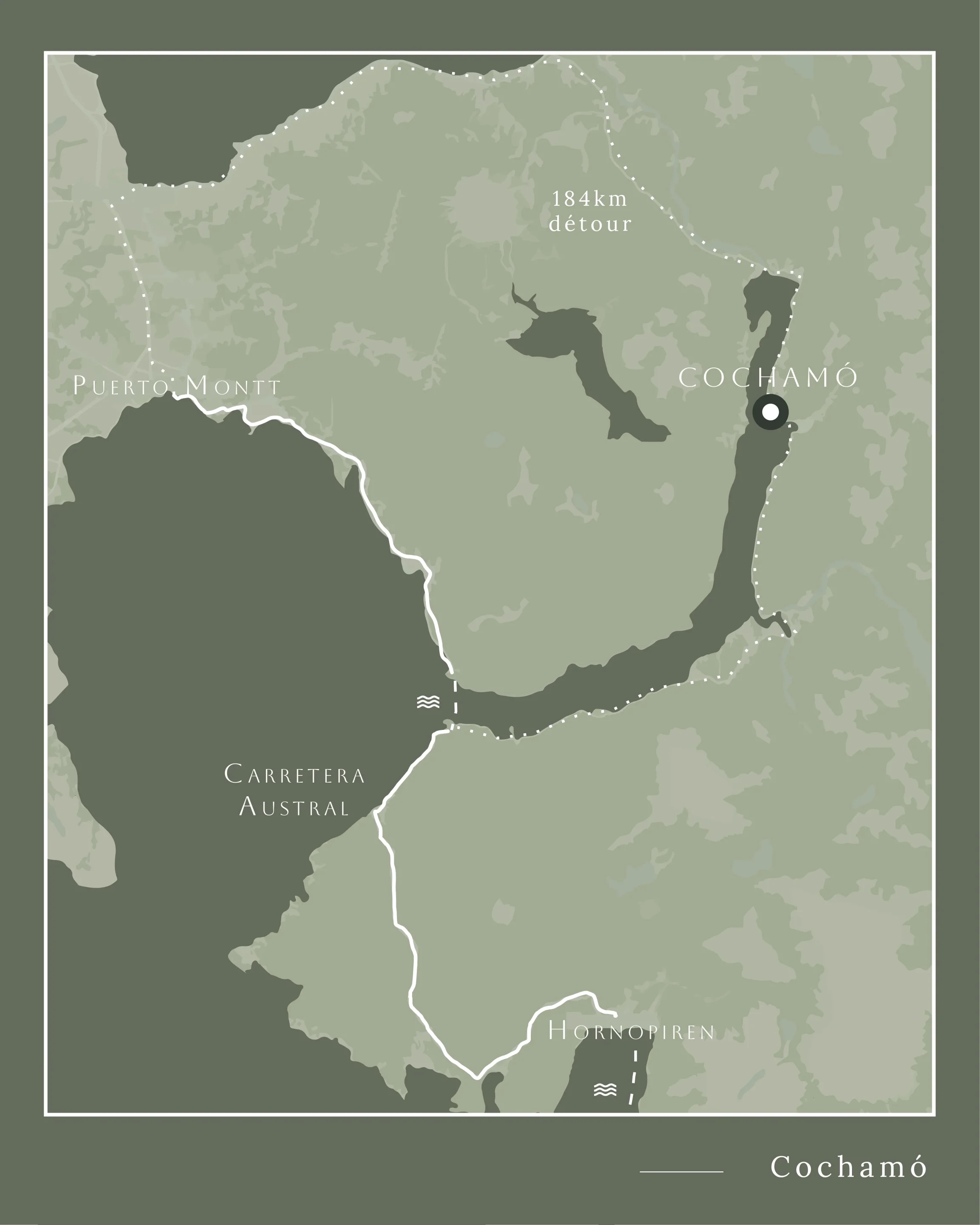
In January 2026, we were setting off on a road trip along the Carretera Austral in our converted Toyota Hiace. Before we had even properly hit the road, we already had to make a detour of several dozen miles to the Cochamó valley.
In this guide, we share everything you need to know to plan your visit: booking the campsite, the hike the valley and its famous Toboganes (natural water slides formed in the rock), our trek to the Escondida waterfall, and what to expect in terms of comfort on site.
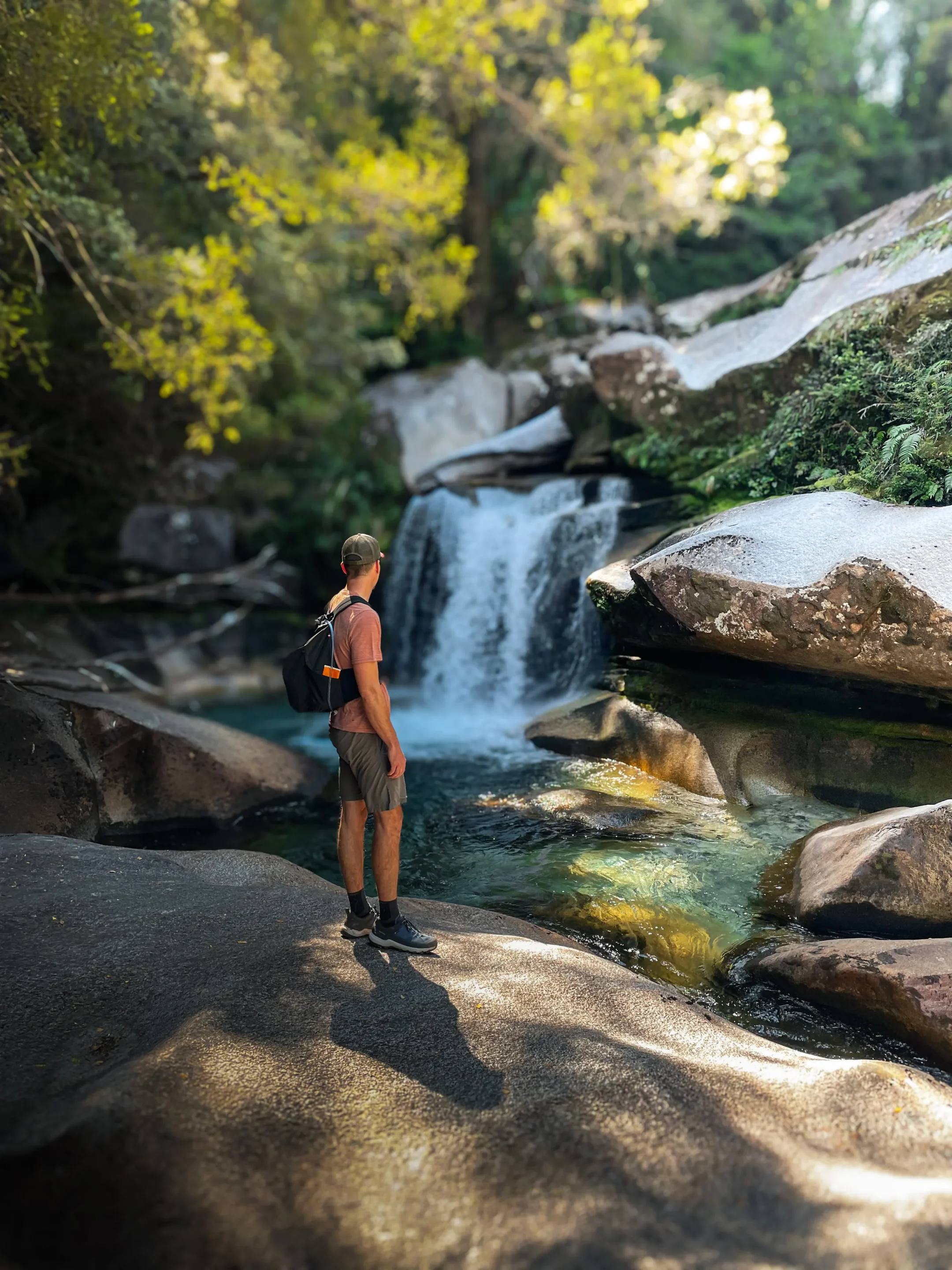
Table of content
Key Takeaways
- The Cochamó valley is remote and accessible only on foot: allow 10 miles and between 4 and 8 hours including breaks, depending on your fitness and the weight of your gear
- We slid on the smooth rock of the Toboganes, 20 minutes from the Trawen campsite (40 min round trip)
- Given the limited number of people allowed to sleep in the valley, book your campsite in advance
- The trailhead to the valley can be reached by 2WD vehicle in dry weather
- Plan for 3 nights in the valley to make the most of the hikes
- Our campsite cost $27 for two people for one night (January 2026)
- We left our vehicle in a secure car park for CLP 5,000 ($5,5) per night (January 2026)
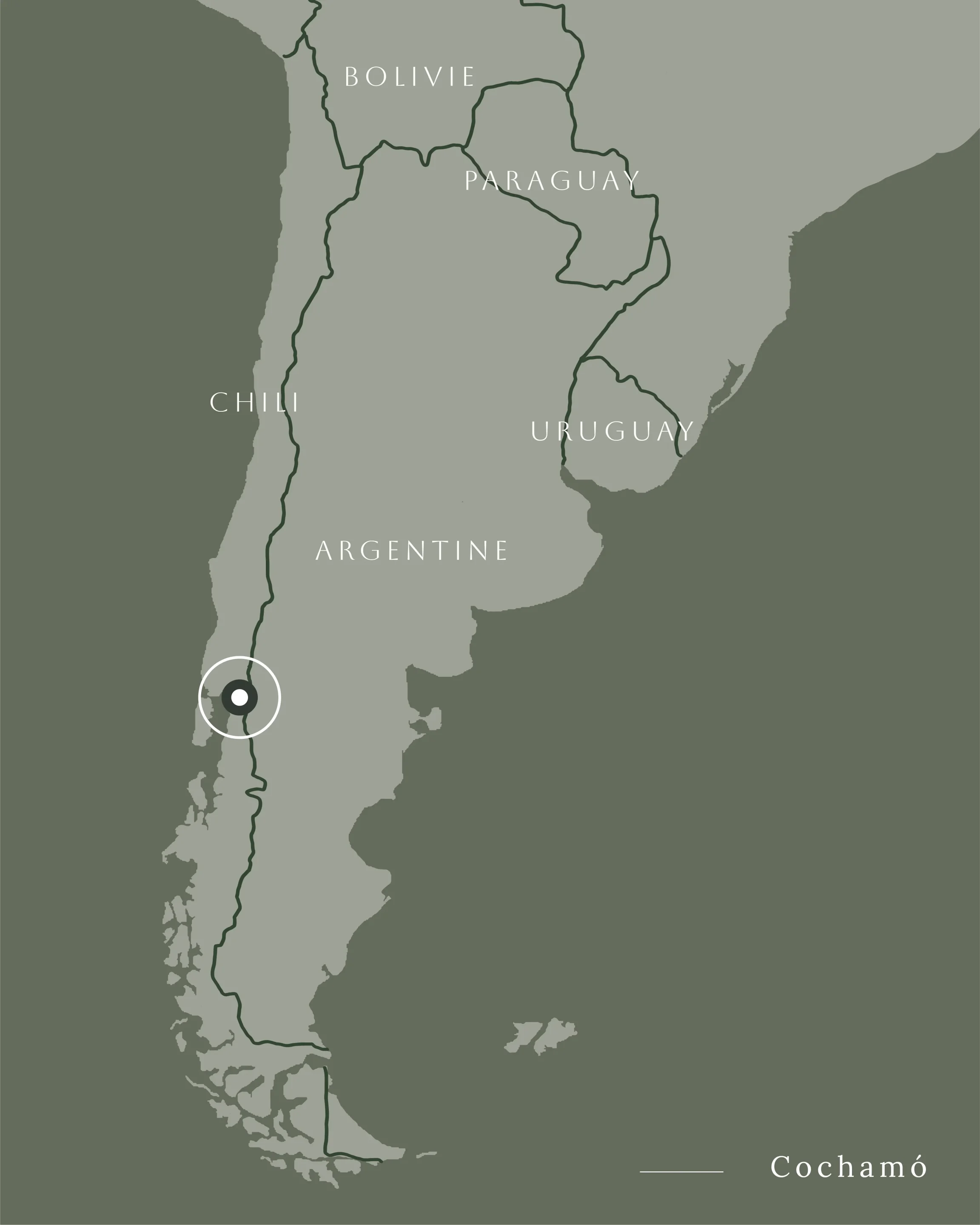
How to Get to Cochamó by Van
The small town of Cochamó has restaurants, hotels and a pleasant city centre worth the visit, especially the church which is quite remarquable (here on Google Maps). This is also your last chance to stock up on supplies before heading to the valley.
- Puerto Varas to Cochamó
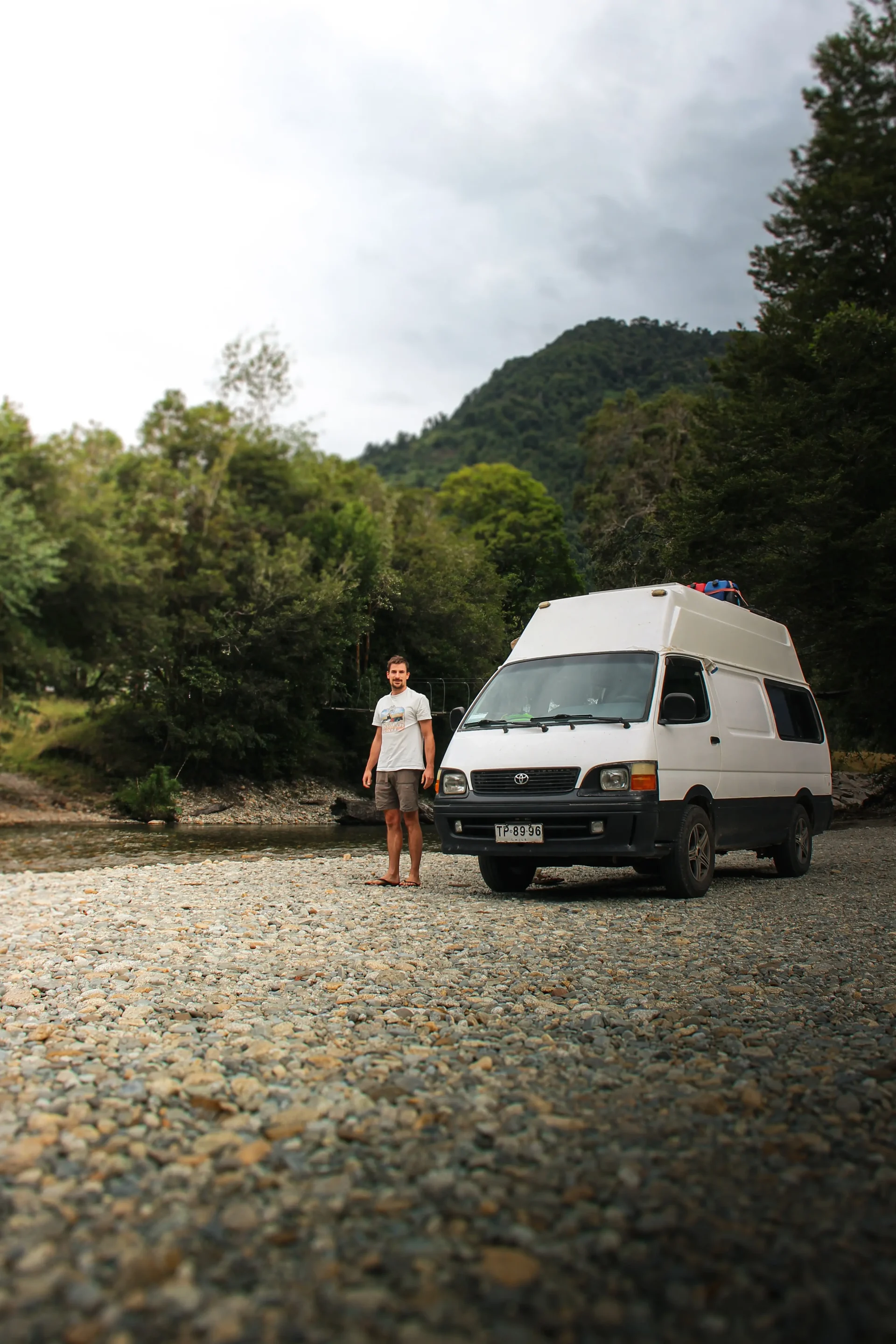
We reached the town by road in our camper van, a Toyota Hiace from the 2000s. We bought it in Chile in December 2025 (see our article Buying a van in Chile in 7 steps).
From Puerto Varas, take the 225 towards Petrohué for about 30 miles until an intersection where you'll take right on the V-69 which leads straight to the town of Cochamó. The whole section is 58 miles long and fully paved. Allow roughly 2 hours.
- From Cochamó city to Cochamó valley
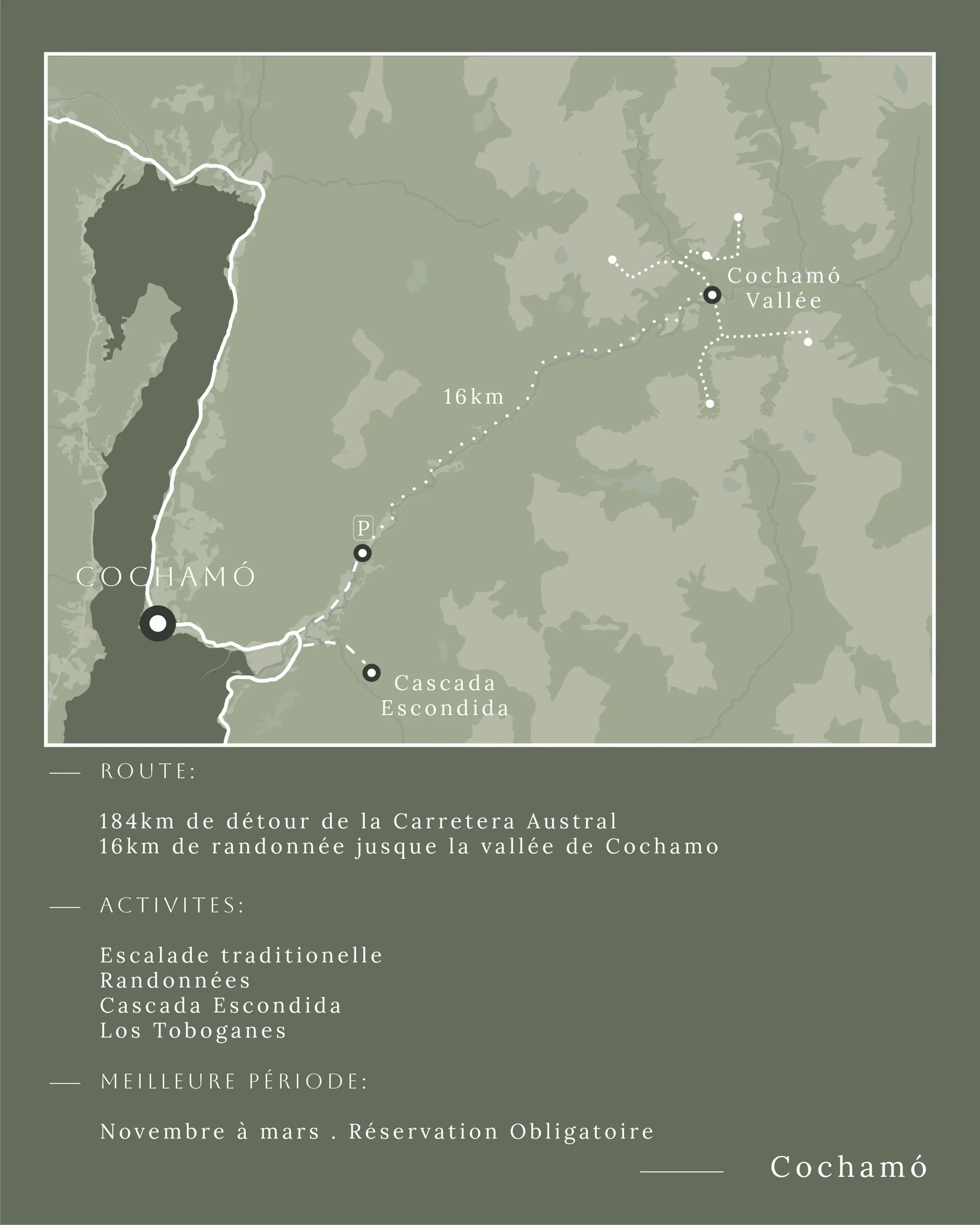
Don't be confused, the valley bears the same name as the city and the river. The main hub for activities in the valley is the sector called La Junta, a hub of campsites and trail accesses on the north side of the river (see detailed map below).
Where to Sleep Before Heading Into the Cochamó Valley?
As usual, we slept in our camper van. Thanks to iOverlander, we found a spot on the banks of the Río Cochamó. This quiet place sits by the river with only few locals coming by from time to time for a swim.
We spent three nights there while waiting for our reservation at the Trawen campsite. It is not recommended to leave your vehicle on the riverbank overnight, as the water can rise quite quickly. We were therefore parked a little higher up, along the access track.
For backpackers and other travellers, the town of Cochamó and its surroundings offer several accommodation options:
Cochamó Valley Hike: Trailhead and Parking in a 2WD Van
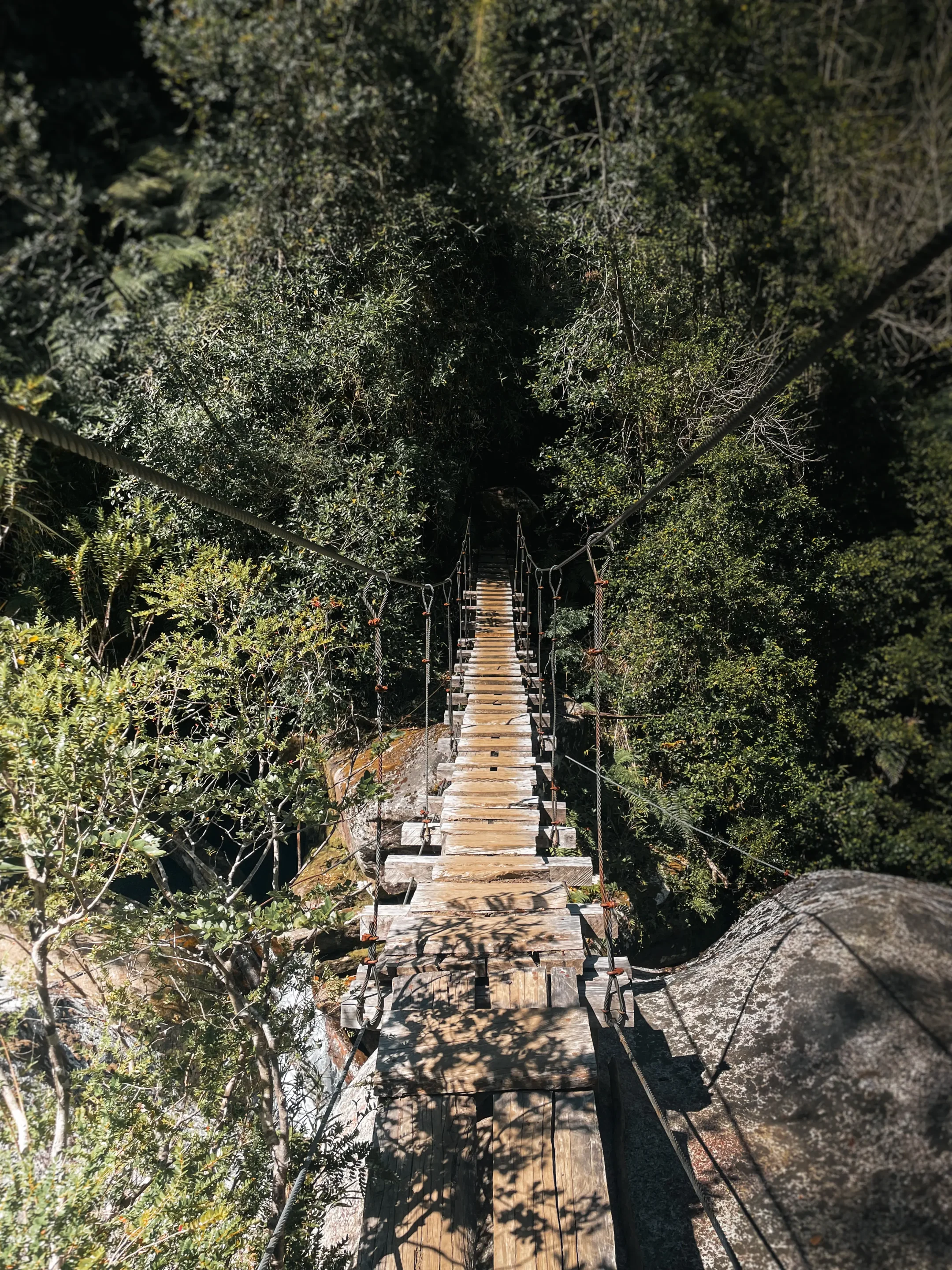
The Cochamó Valley is very remote. The only way in is a winding walk of more than 10 miles. Steel yourself for this demanding hike through lush forests.
The trailhead is 6 miles of dirt track away from the town of Cochamó: start of the hiking trail. We recommend driving this section to save your strength for the climb. In a 2WD vehicle, the track was doable, although we should point out that we drove it in dry weather.
We left our vehicle in a paid, secure car park booked at the same time as our night at the campsite. The car park is at the end of the drivable track, at the following coordinates: -41.455436, -72.219588 or here on Google Maps.
At the entrance, volunteers register hikers and give advice on good practices for protecting nature. Please note that the latest departure time is 3 pm. We set off early, around 7 am, to avoid the worst of the heat.
The Hike In: Trailhead to La Junta
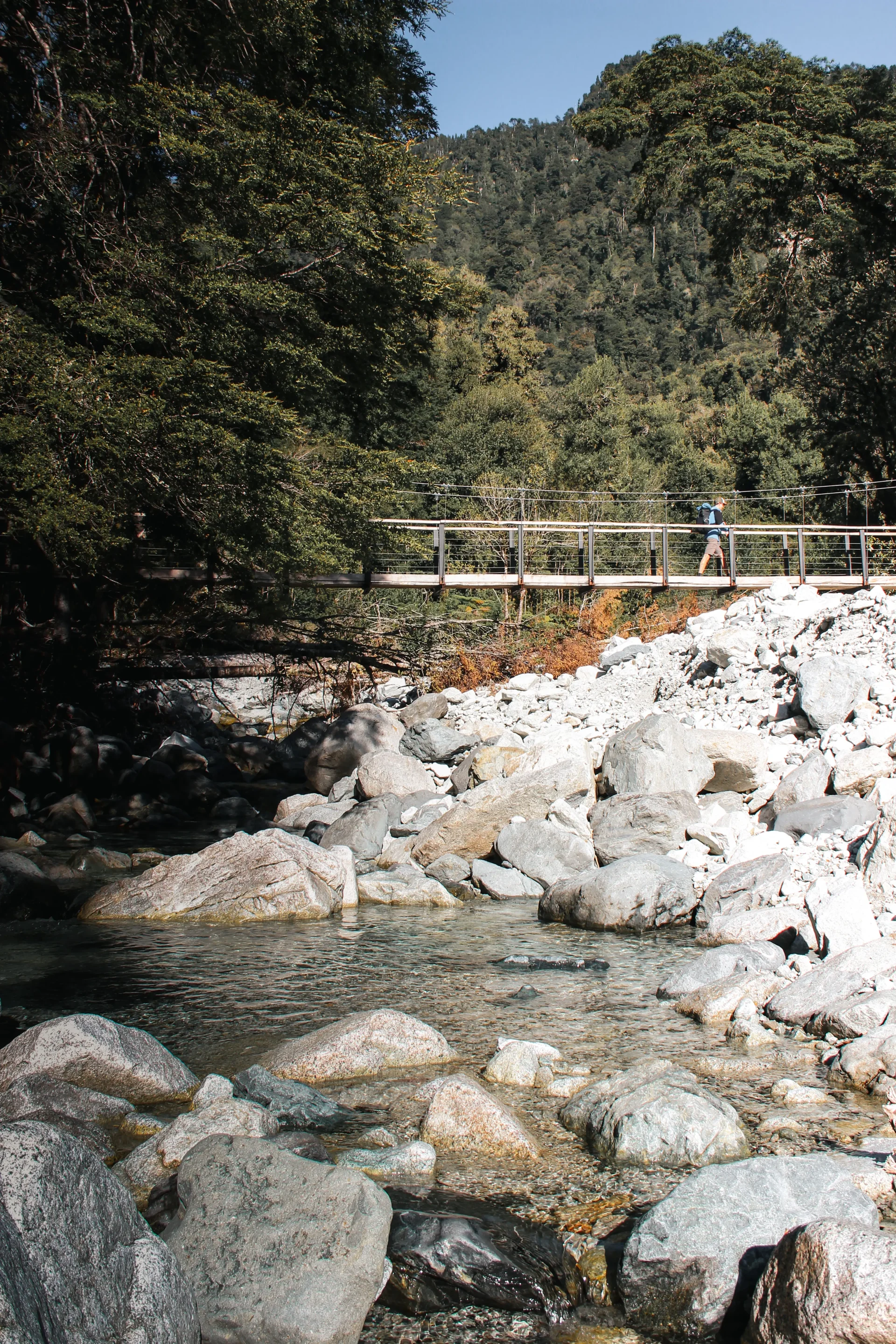
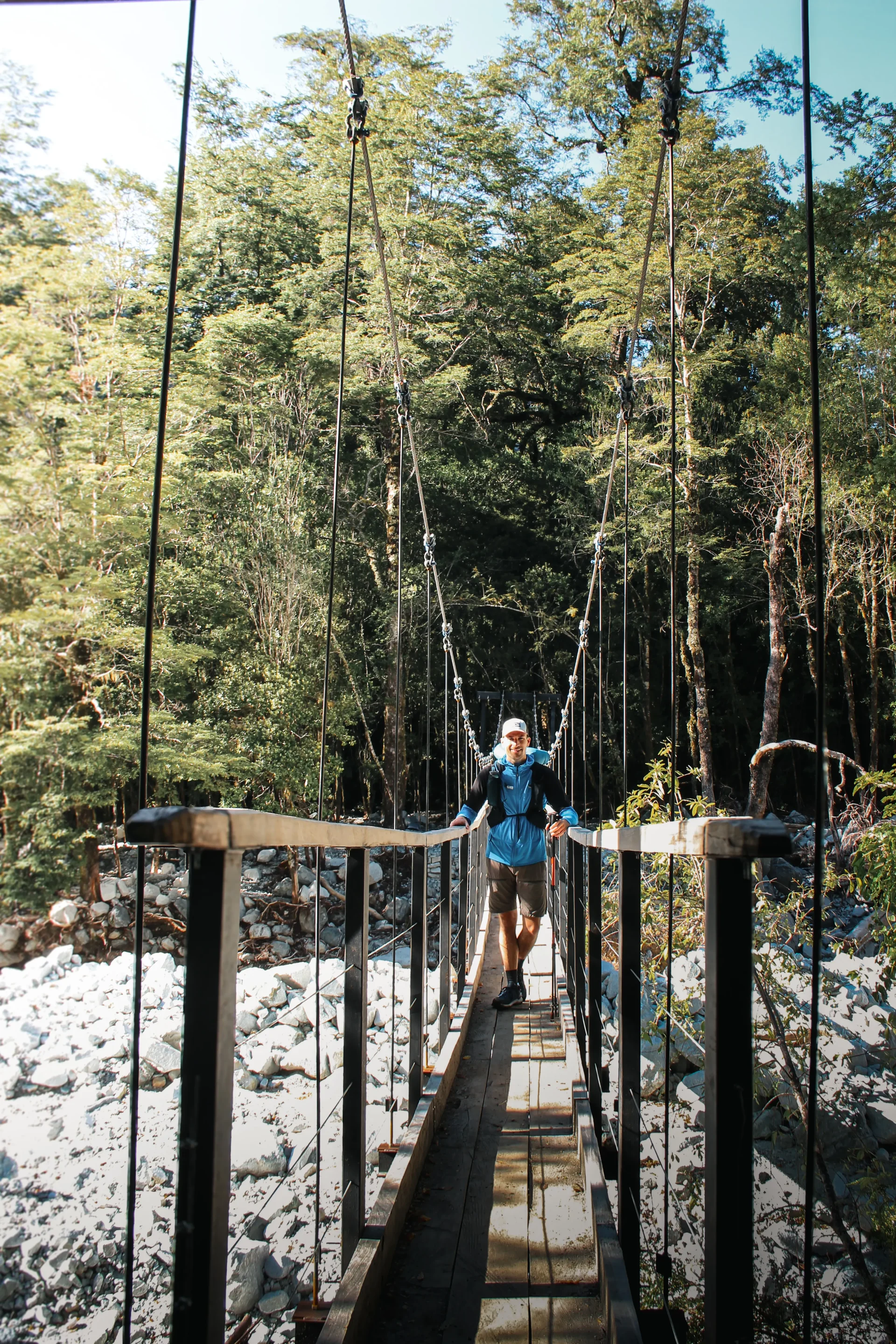
This long, winding climb through dense forest did not leave us unscathed. There is no difficult section, just a fairly steady ascent. The main difficulty was that we were expecting 7,5 miles, the distance quoted by most guides. We tracked our route with Strava and noticed a 2,5-mile difference compared with the various sources.
Technical sheet:
- Hike name: Cochamó approach hike
- Distance: 10.12 miles
- Elevation: 422 m gain
- Duration (excluding breaks): 3 h 34
- Difficulty: Moderate
- Starting point: -41.453828, -72.217380 (visitor centre coordinates)
- Trail map (roundtrip): AllTrails
- Parking:-41.455436, -72.219588 or here on Google Maps
Mud, Trenches and Pack Horses
It is also worth knowing that horses climb up these slopes every day. They take care of supplying the campsites, and also carry the bags of overloaded adventurers.
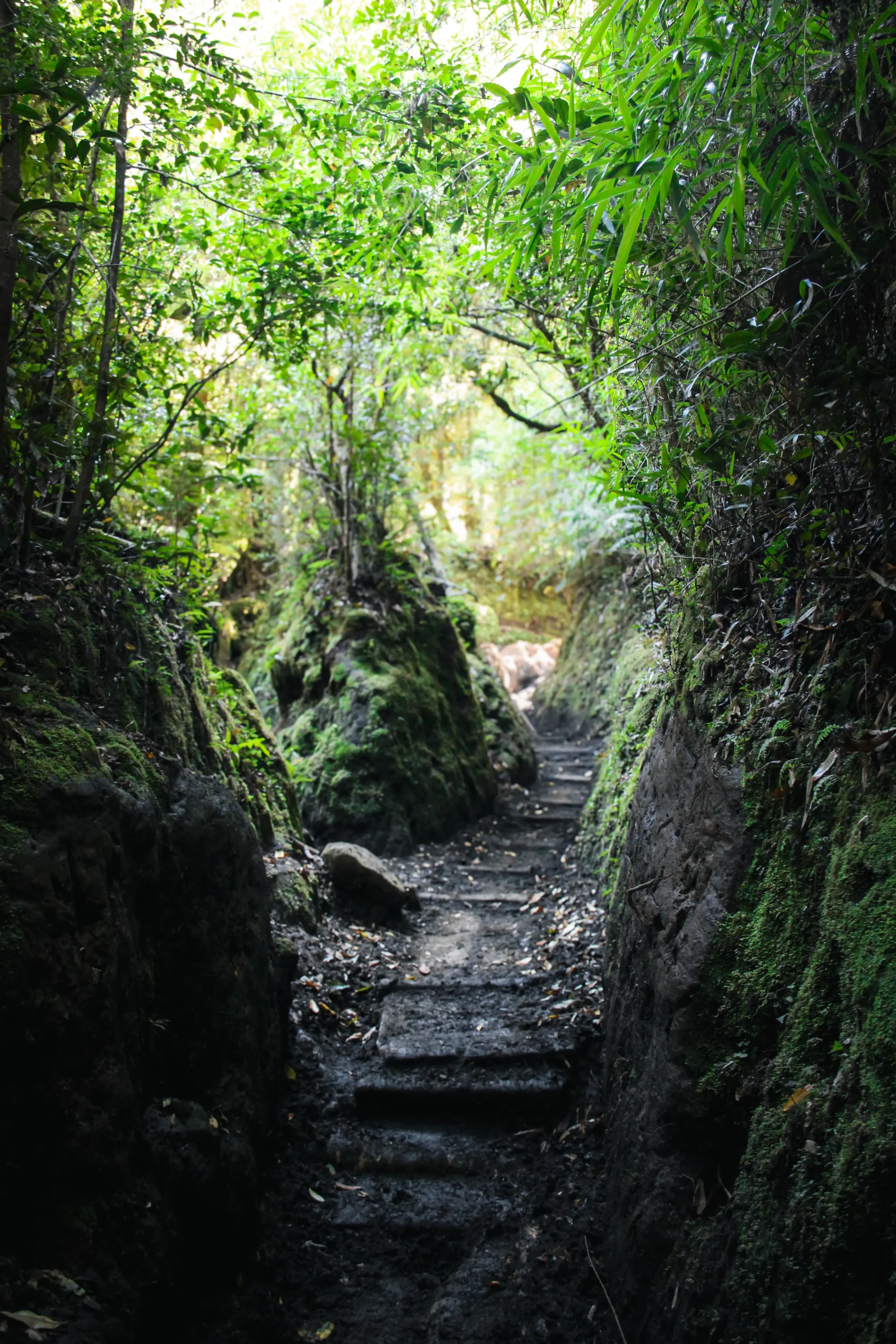
On some stretches, these passages have dug into the earth and split into a multitude of tracks, giving a labyrinthine impression. Some sections are so worn down that they have turned into trenches deep enough to hide a standing man. In wet weather, these sections can become difficult to get through.
Camping in the Cochamó Valley: Reservations and Prices
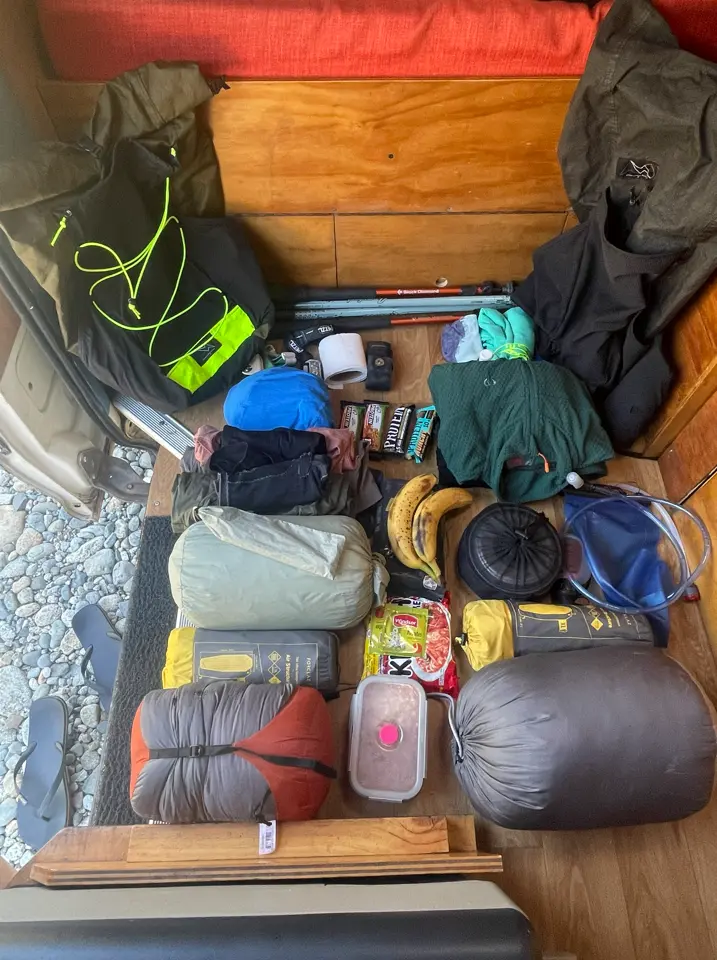
To sleep in the Cochamó Valley, you will have to accept trading a little comfort and bring your camping gear. The main plain, called “La Junta”, is home to several campsites, for example:
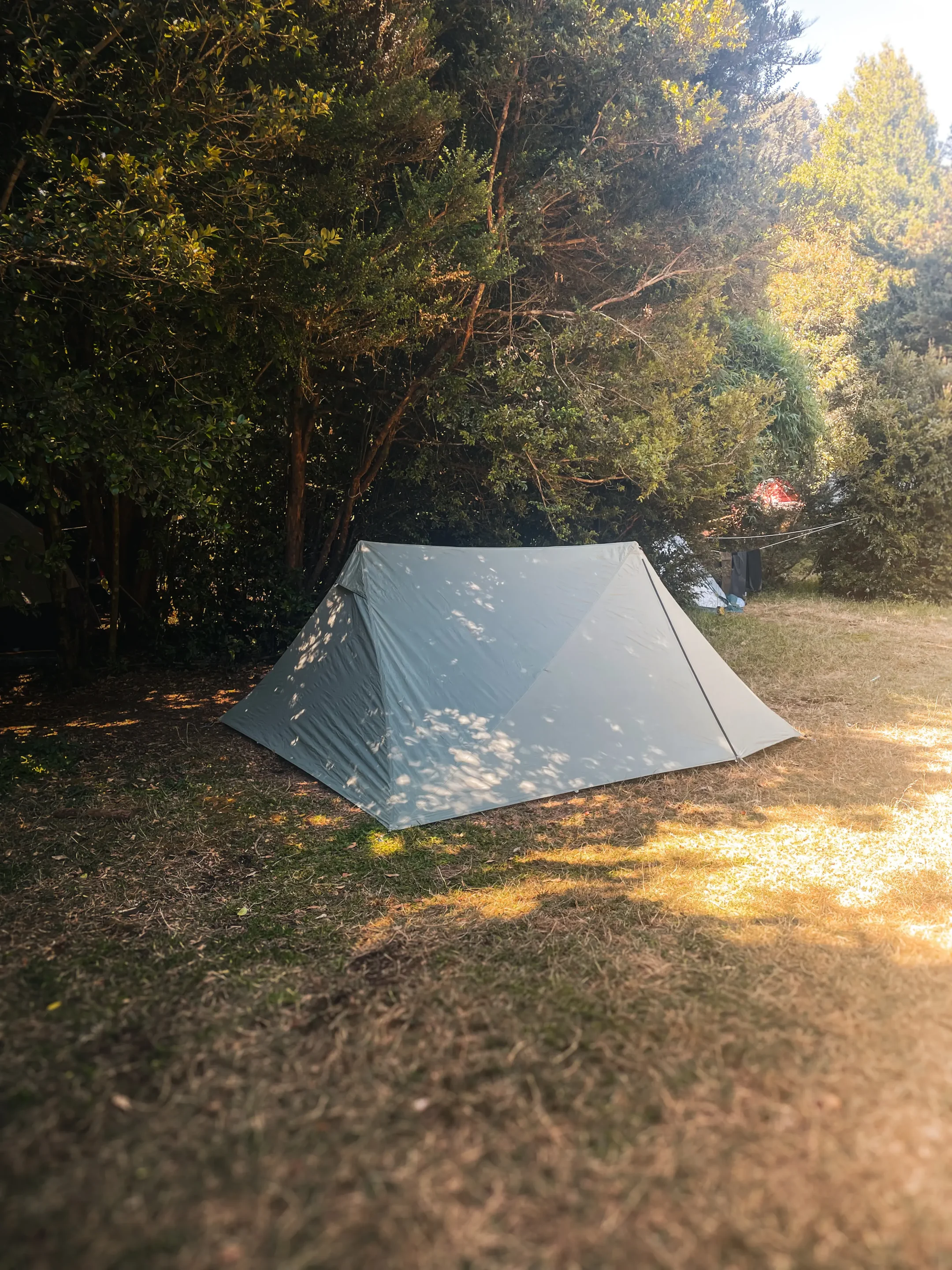
We slept at Camping Trawen. The pitches were flat and the toilets and showers clean. We were even able to buy food from a tiny and pricy shop (perfectly understandable given that the food is brought in on horseback). We were delighted to enjoy fresh bread after the gruelling climb.
For one night and two people, we paid CLP 25,000 ($27) in January 2026.
Why and How to Book Your Campsite in Advance?
To book our campsite, we registered on the following website: Cochamo.cl. It is important to do so. We were actually asked for the reservation at the visitor centre at the start of the hike.
The number of people allowed to sleep in the valley is limited. In busy periods, you may have to wait a few days if you haven’t booked. For example, as of October 8, 2026, the next available dates at Camping Trawen start on October 30, 2026.
Because we hadn’t planned our booking ahead, we spent three nights at the foot of the valley waiting for spots to open up. On top of that, we were only able to get a single night, thanks to a cancellation.
The Cochamó Valley and Its Granite Giants
Breathless and sweating, we finally emerge from this twisting forest of a thousand paths. At last. We arrive in the valley we had hoped for so long. During our walk, we caught fleeting glimpses of rock blocks through the dense foliage of the trees. These stone giants, guardians of the valley, loom over us with their imposing mass.
When you reach the heart of the valley, it is impossible to ignore their presence. Wherever we look, immense vertical walls seem to be watching us. Very quickly, we understand why this place is a paradise for climbers from all over the world.
Relieved to drop our packs, and after devouring one of the fresh bread rolls, we are ready to explore the surroundings.
Cochamó Valley Hikes from La Junta
Once your base camp is set up at one of the campsites, several hikes are possible. Here is a list of the options, with the estimated distance from Camping Trawen.
See the map of hikes from La Junta on the official Cochamó.cl website
- El Anfiteatro (round trip): 5,6 miles / 680 m gain / 680 m loss / AllTrails
- Trinidad Lagoon (round trip): 7 miles / 1,300 m gain / 1,300 m loss / AllTrails
- Valle La Paloma (round trip): 4.4 miles / 620 m gain / 620 m loss / AllTrails
- Mirador Cerro El Arcoiris (round trip): CLOSED
- Los Toboganes (round trip): 0,8 miles / 120 m gain / 120 m loss
Unfortunately, with only one night on site, we didn’t get the chance to do these treks. we would loved to hike El Anfiteatro, which we could see from the campsite, as well as to Valle La Paloma, a steep glacial valley.
The Toboganes of Cochamó: Our Experience
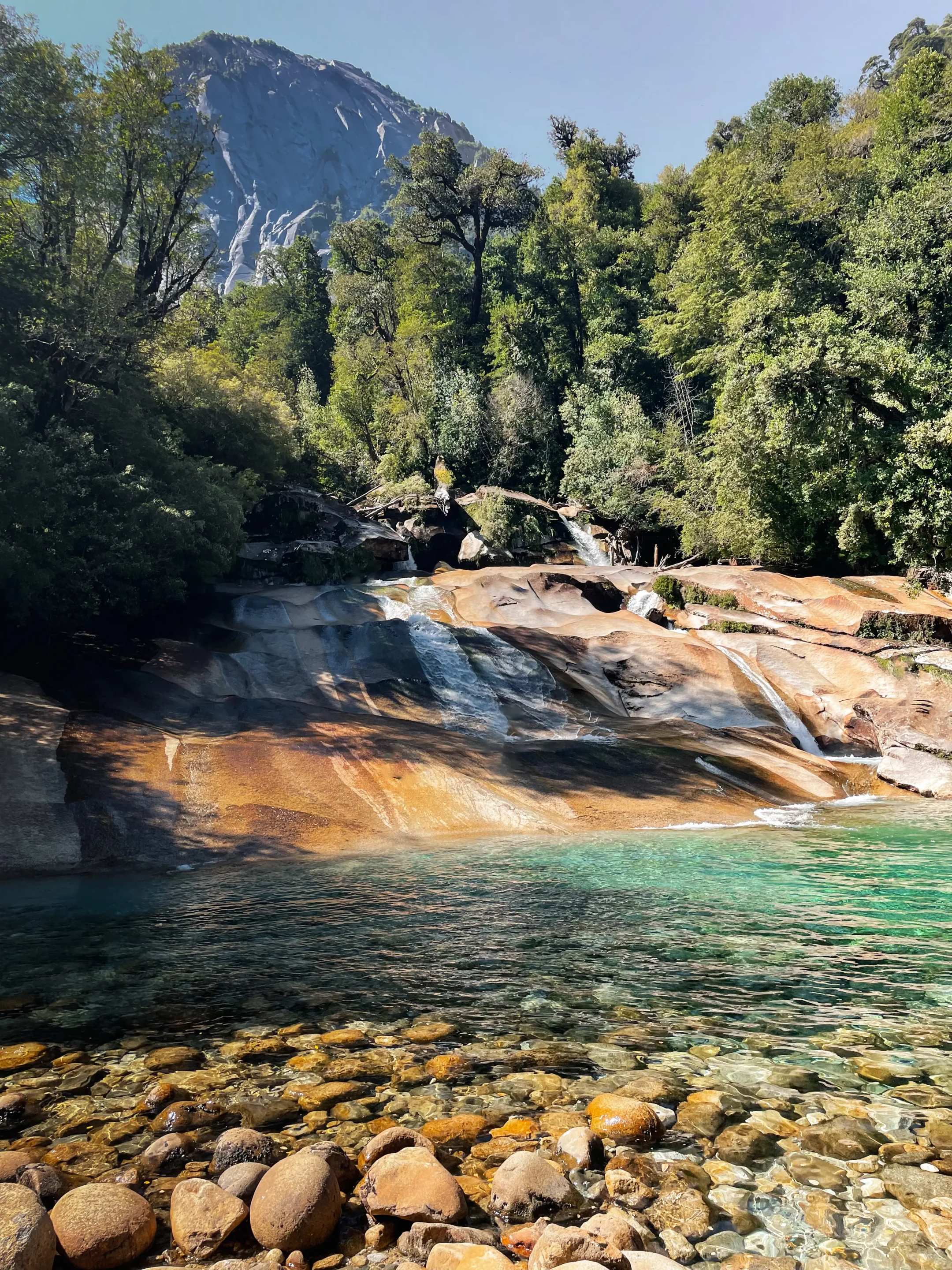
Once we arrive, we decide to head to the Toboganes. It is a short climb of 600 metres of trail, which we take at an easy pace for a 40-minute round trip. A chance to cool off after our effort.
Technical Sheet:
- Hike name: Los Toboganes
- Distance: 0,8 mile (round trip)
- Elevation: 120 m gain / 120 m loss
- Duration (excluding breaks): 40 minutes
- Difficulty: Easy
- Starting point: Camping Trawen
Safety: What Locals Say About the Toboganes
The Toboganes are a slippery waterfall that doesn’t plunge into the void but flows along a rocky slope. With the passage of water over the years, the rock has become smooth and curved in a way strangely similar to water slides.
The pool isn’t shallow enough to stand in and is unsupervised. We didn’t feel any danger, yet you should be careful on wet rock, as a slip can quickly be painful, or dangerous. According to a the local organisation cochamo.cl, it is one of the main source of accidents in the valley.
"Polished, wet granite is extremely slippery. Sliding down the chutes, or simply walking on the rock, has been the leading cause of serious accidents in the valley"
What better reward after a hard day of walking than plunging into crystal-clear, cold water? Depending on the season, this spot can get very busy. That crowding is one of the battles of the local associations: limiting human impact on this still-pristine nature. For more information, here is the website of the local conservation organisation.
How Many Days Do You Need?
Given the approach hike, spending one night in the valley seems a little too short (which is nonetheless what we did). You also need to factor in that the return involves the same walk as the way in, this time downhill. A stay of three nights lets you spend two full days on site. This is certainly what we would have done differently: stay longer in the valley.
Suggested Itinerary
- Day 1: hike in to the valley + Toboganes
- Day 2: Valle La Paloma hike
- Day 3: El Anfiteatro hike
- Day 4: hike back to the car park
Cochamó Valley Budget
Here is the breakdown of our expenses for the night spent in the valley. These expenses do not include the nights spent waiting before our hike, and date from January 2026.
- Food: CLP 25,000 or $27
- Campsite: CLP 25,000 or $27
- Parking: CLP 5,000 or $5,5
We therefore spent $60 for two people for two days and one night in the Cochamó Valley.
Weather and Best Time to Visit
During our stay in January 2026, we were lucky enough to have two very sunny and downright hot days. However, the weather can also turn rainy, and in that case the access trail becomes very muddy. A friend did the hike in these conditions and described it as a real slog. We therefore recommend checking the forecast in advance, for example with the Meteoblue app.
Escondida Waterfall: An Easy Excursion From Cochamó Town
From the town of Cochamó, it is possible to make an excursion to the Escondida waterfall. There are two ways to get there. The first is to park at the free car park and set off on a 2,5 miles round-trip walk. This is the option we chose.
Technical Sheet:
- Hike name: Escondida Waterfall
- Distance: 2,5 miles (round trip)
- Elevation: 260 m gain / 260 m loss
- Duration (excluding breaks): 3 h
- Difficulty: Easy
- Starting point: -41.497674, -72.252973
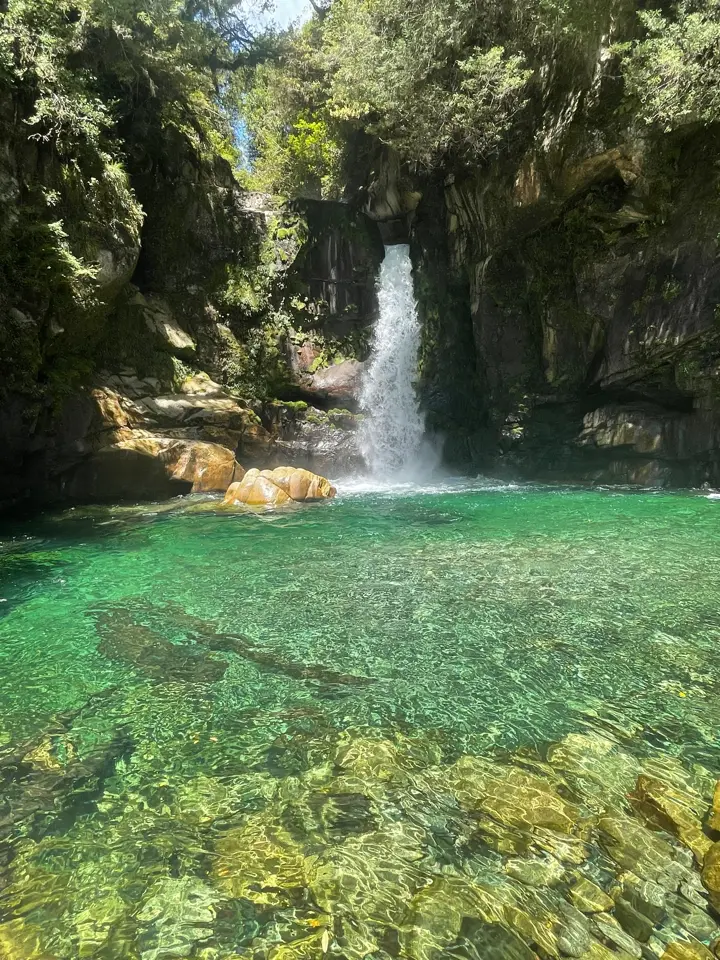
The second option involves taking the same track but by car, so you can park a little higher up, at the waterfall’s reception centre. There is a house where you have to pay the entrance fee for the waterfall. They also offer paid parking spaces. If you want to avoid the slightly tricky road, there is a number next to the free car park to call for a car. The entrance fee for two people is CLP 7,500 or $8 (January 2026) and is payable whichever starting option you choose.
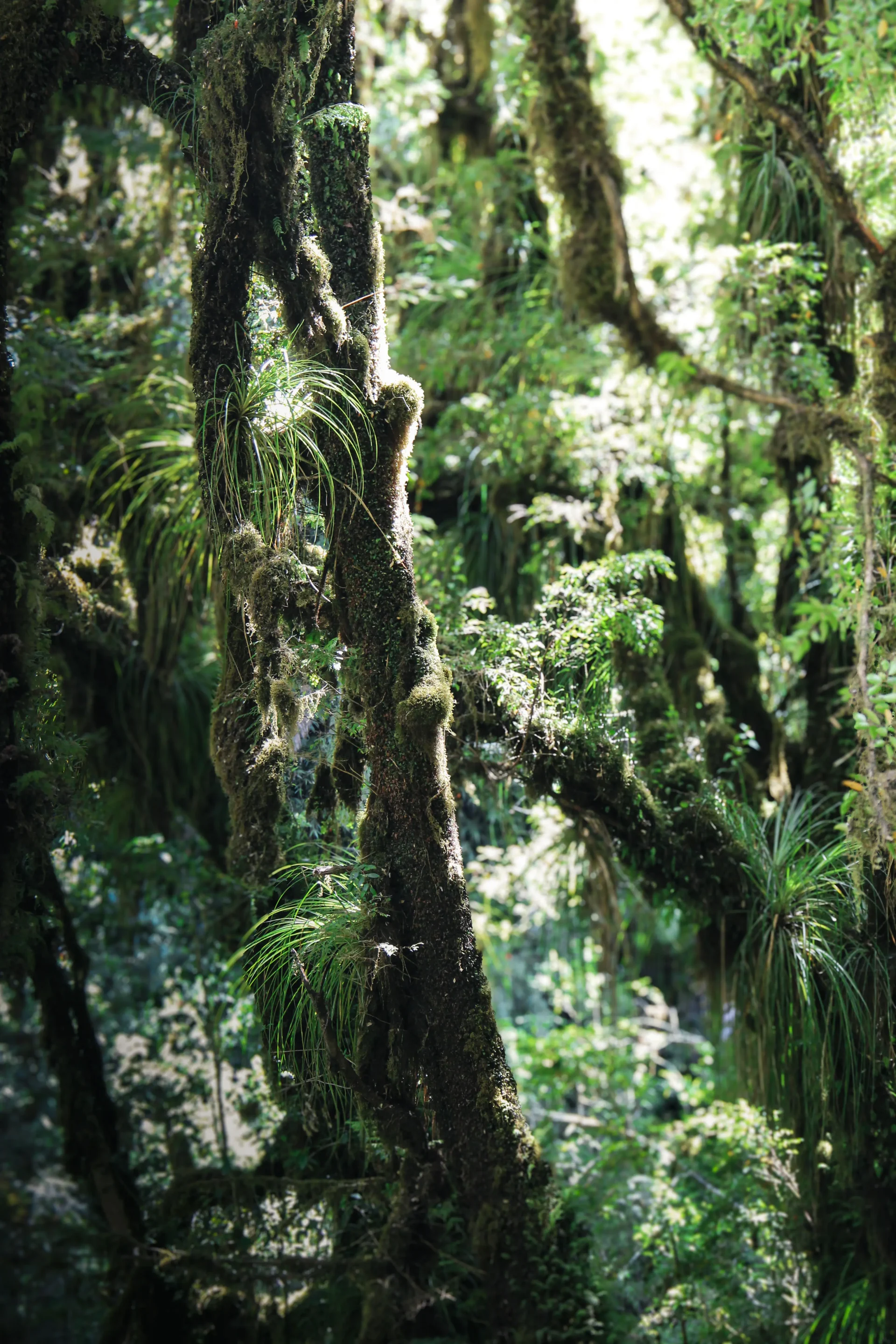
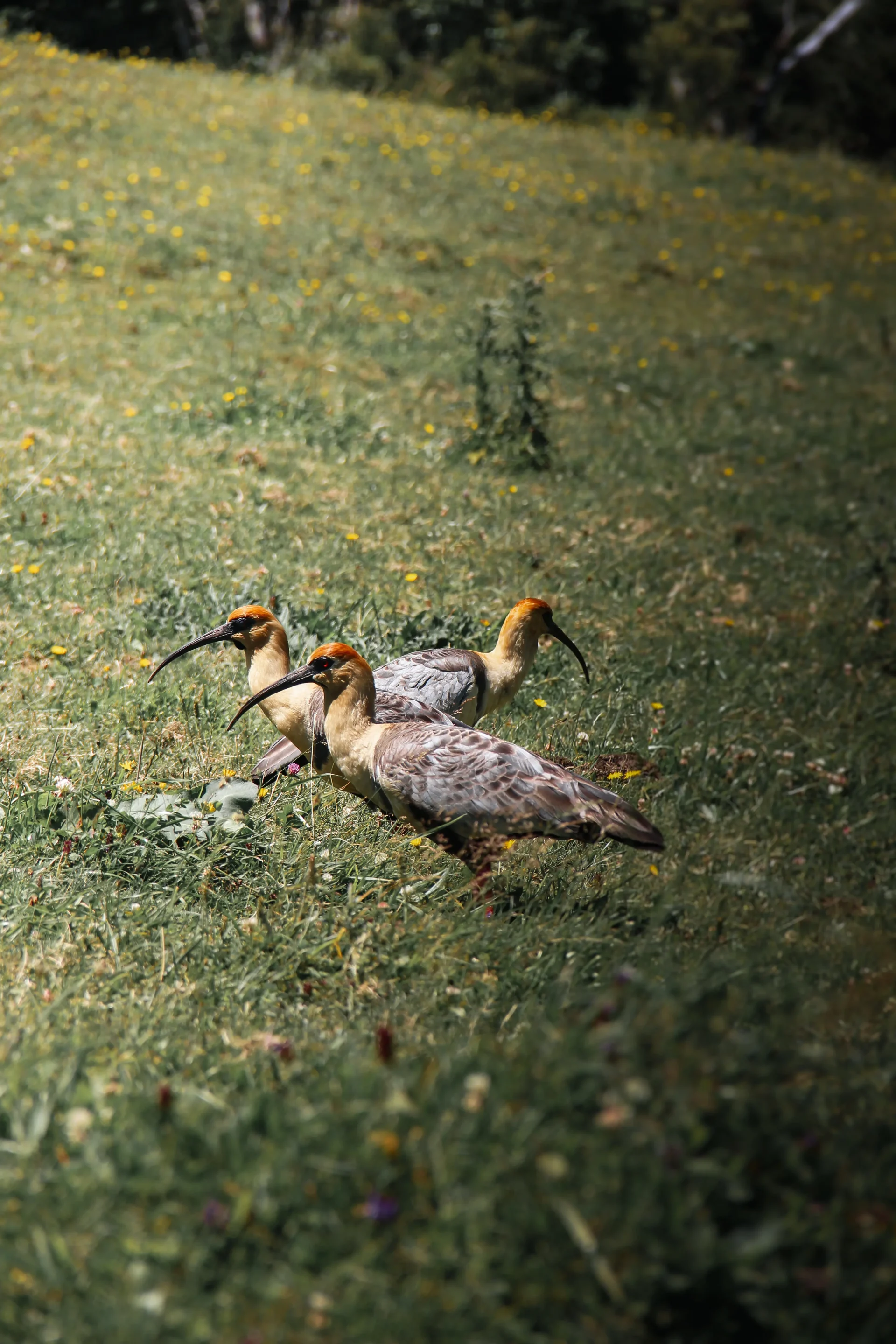
Once there, we did not regret the walk. The vegetation changes drastically and the surroundings turn into valdivian forest. The humidity rises, and the birdsong sounds different. Underfoot, tree roots make the descent to the waterfall a little technical. All that remains is to swim in the clear water. It is very surprising, but the water is icy. We later learned that it sits at around 6 °C all year round.

Where to Go Next
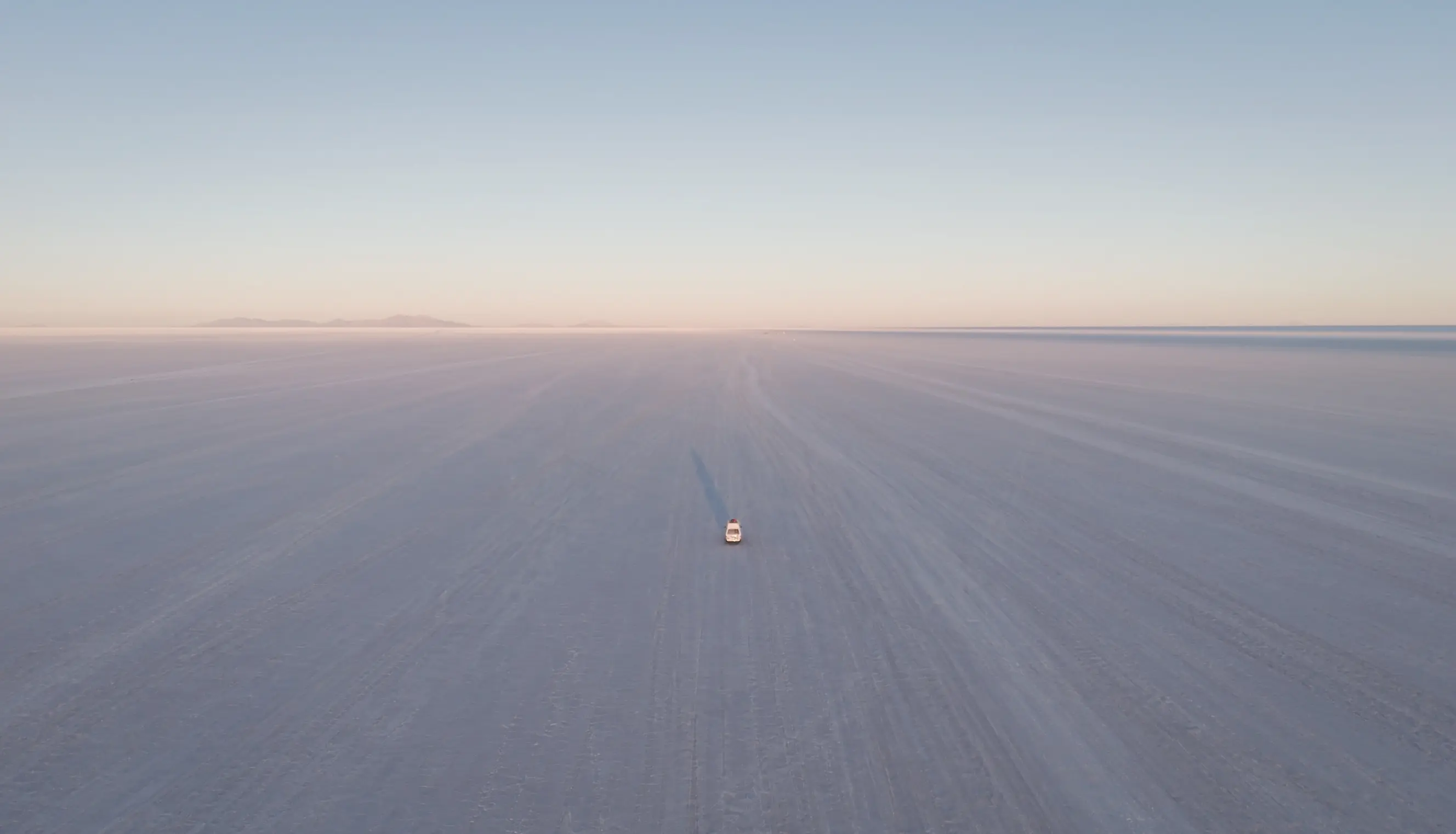
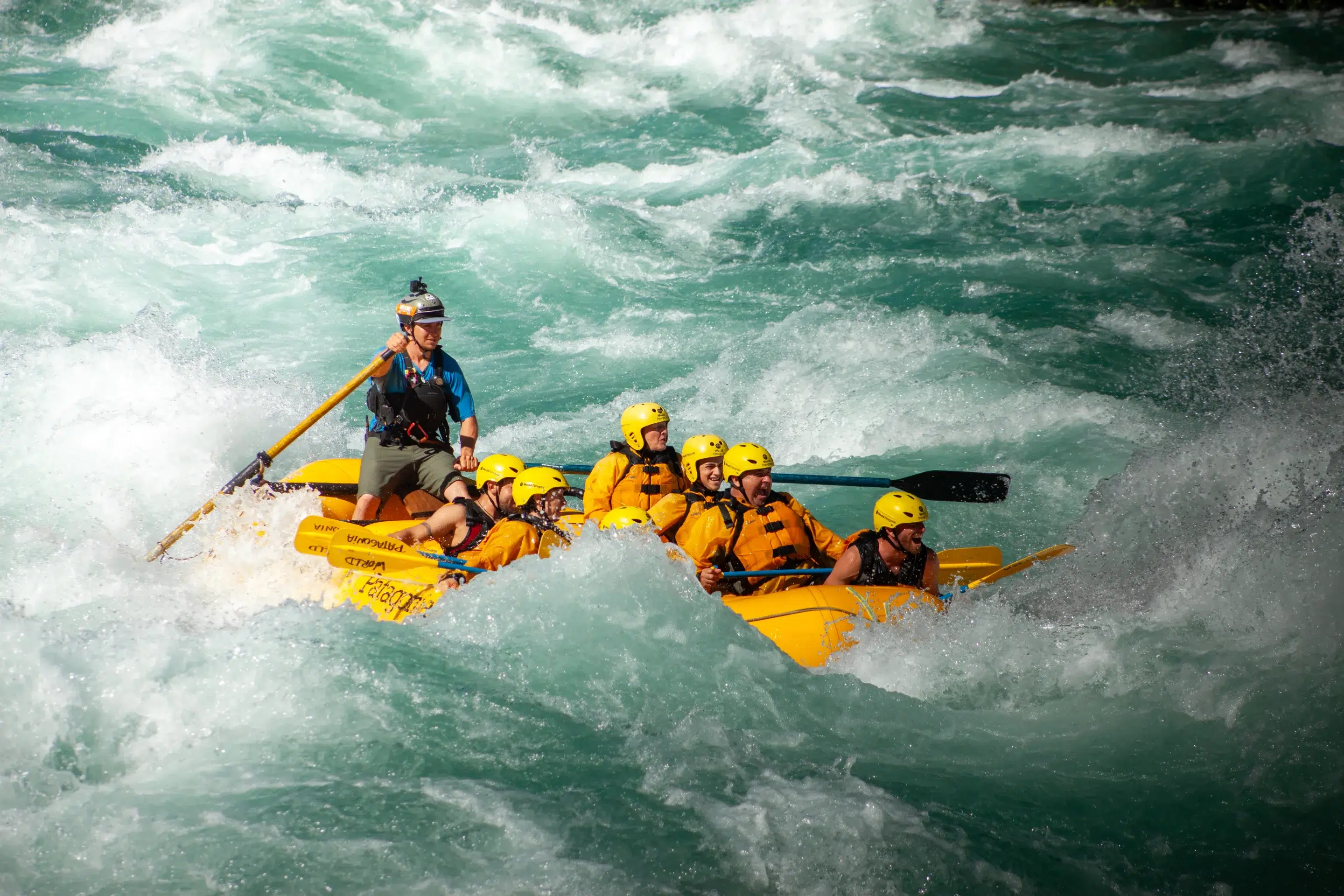
For more adventures on the Carretera Austral, we recommend our article on Futaleufú and its insane white water rafting, our favourite stop on this spectacular road.
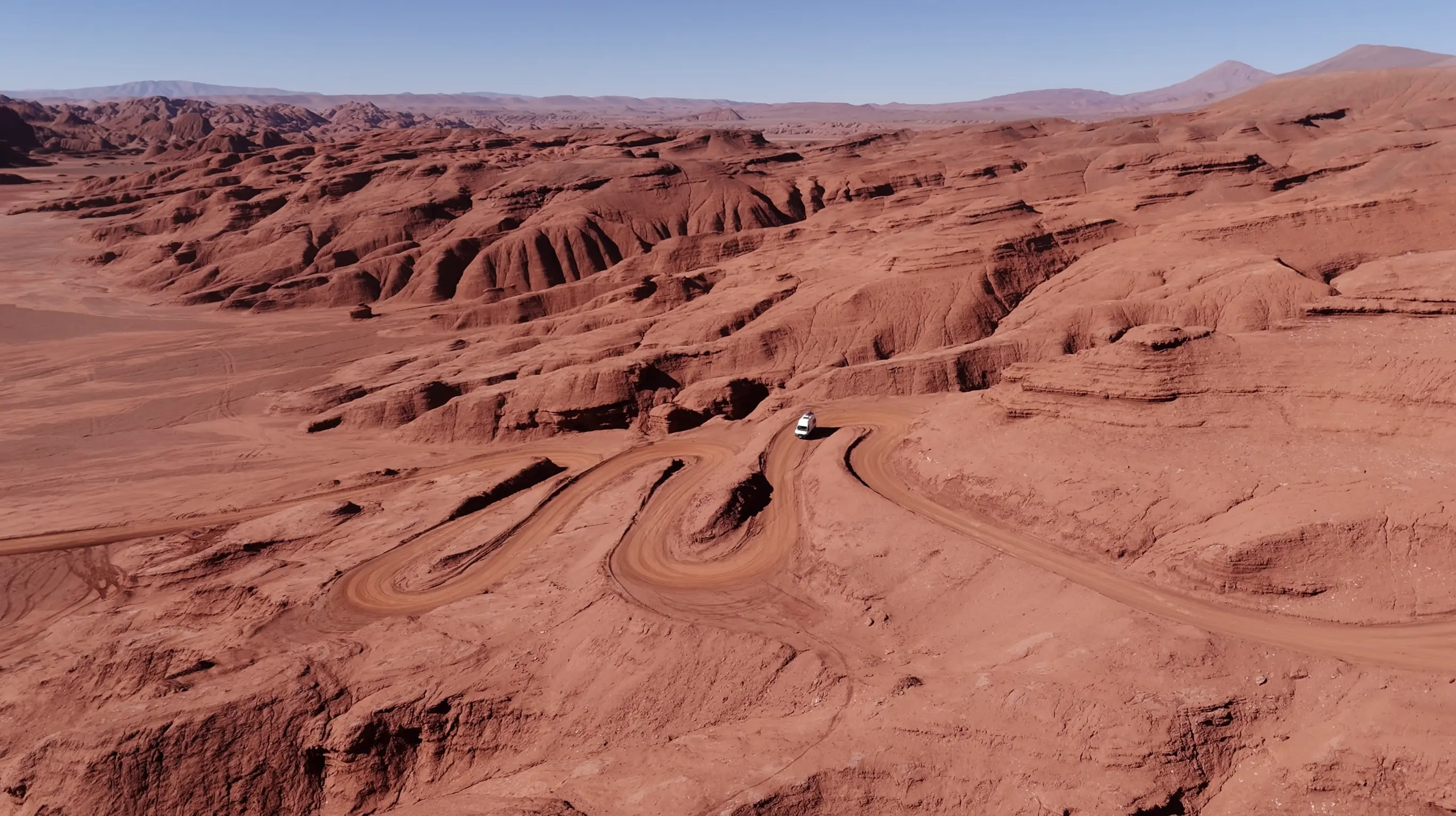
For an offroad experience, follow our adventure in the Puna de Atacama region in Argentina. Our 6-day itinerary crossed high altitude plains for more than 400 miles on dirt roads.
FAQ
Do you need to book your campsite in advance for Cochamó?
In summer, the busiest period (December to February), it is important to book, via the following website: Cochamo.cl.
Can you visit the Cochamó Valley by van?
No, you have to leave your vehicle parked at the trailhead before heading for a 10-mile hike.
How long should you plan for the Toboganes hike?
40 minutes round trip from Camping Trawen, plus at least 1 hour on site for swimming.
What is the best season to visit Cochamó?
The site is open from mid-September to April, and the weather is mildest in summer (December to February): official Cochamo.cl website
Where can you park your van during your stay in the Cochamó Valley?
We parked our van in a paid and secure car park that we booked at the same time as the campsite, on the following website: Cochamo.cl
How much does camping cost?
We paid CLP 25,000 ($27) for two people for one night in January 2026.
Can you get to Cochamó without a car?
Yes, there are buses departing from Puerto Montt or Puerto Varas, and a number of operators are listed here: official Cochamo.cl website. You will still need to cover the last miles to the trailhead, on foot or by hitchhiking. We haven’t tested these options, as we had our own vehicle.
Is it safe to slide down the Toboganes?
The Toboganes are a slippery waterfall strangely similar to water slides. The pool isn’t shallow enough to stand in the whole way and is unsupervised. According a the local organisation cochamo.cl, it is still one of the main sourc of accients in the valley.
Can you do the Cochamó Valley as a day trip?
In theory, this is possible but we don't recommend it. The walk alone took us almost 7 hours, wihout breaks. In our opinion, the best option is to sleep at least 1 night in the valley. What we would do differently though: stay longer in the valley.
0 Comments