Things to Do in Futaleufú, Chile: White Water Rafting, Hikes and Tips for Van Life
In January 2026, we were making our way along the Carretera Austral in Chilean Patagonia in our converted van, a Toyota Hiace from the 2000s. See our article “Buying a van in Chile in 7 steps: the complete guide”. We didn’t know that this journey of several hundred kilometres would lead us to one of the highlights of our trip: Futaleufú (Chile).
This mountain retreat has to be earned, as a fairly difficult road leads to it. Yet once there, the memory of that drive quickly faded as we rafted down some of the most famous rapids in the world. We also discovered one of the most striking panoramic views of the trip by climbing Punta Teta.
In this complete travel guide, we share the best things to do in Futaleufu, how to get there, the ideal amount of time to plan on site, our favourite hikes and everything you need to know about white water rafting expeditions.
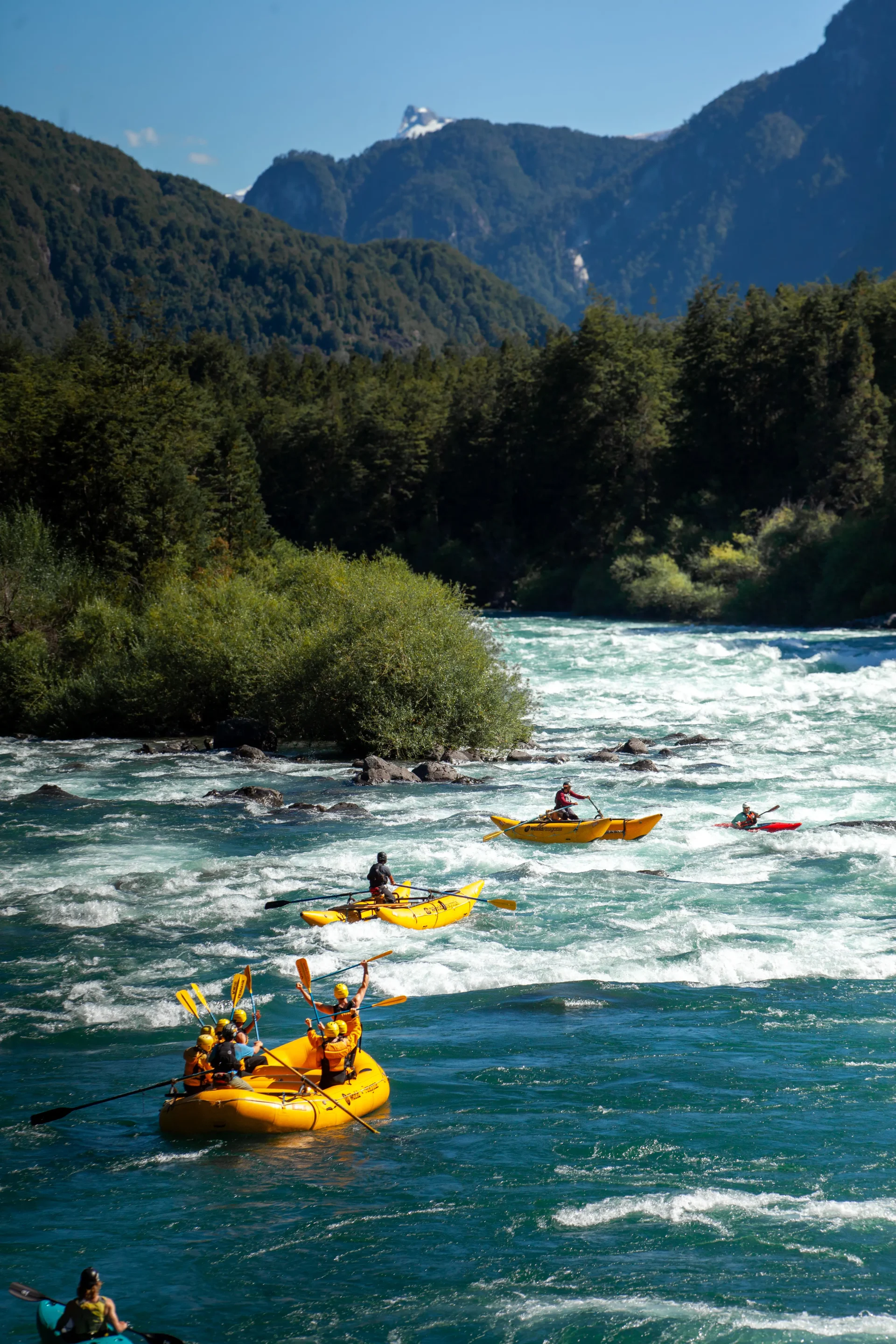
Table of contents
Key Takeaways
- Futaleufú is 250 miles from Puerto Montt and only 6 miles from the border with Argentine
- A rafting trip costs about $66 per adult
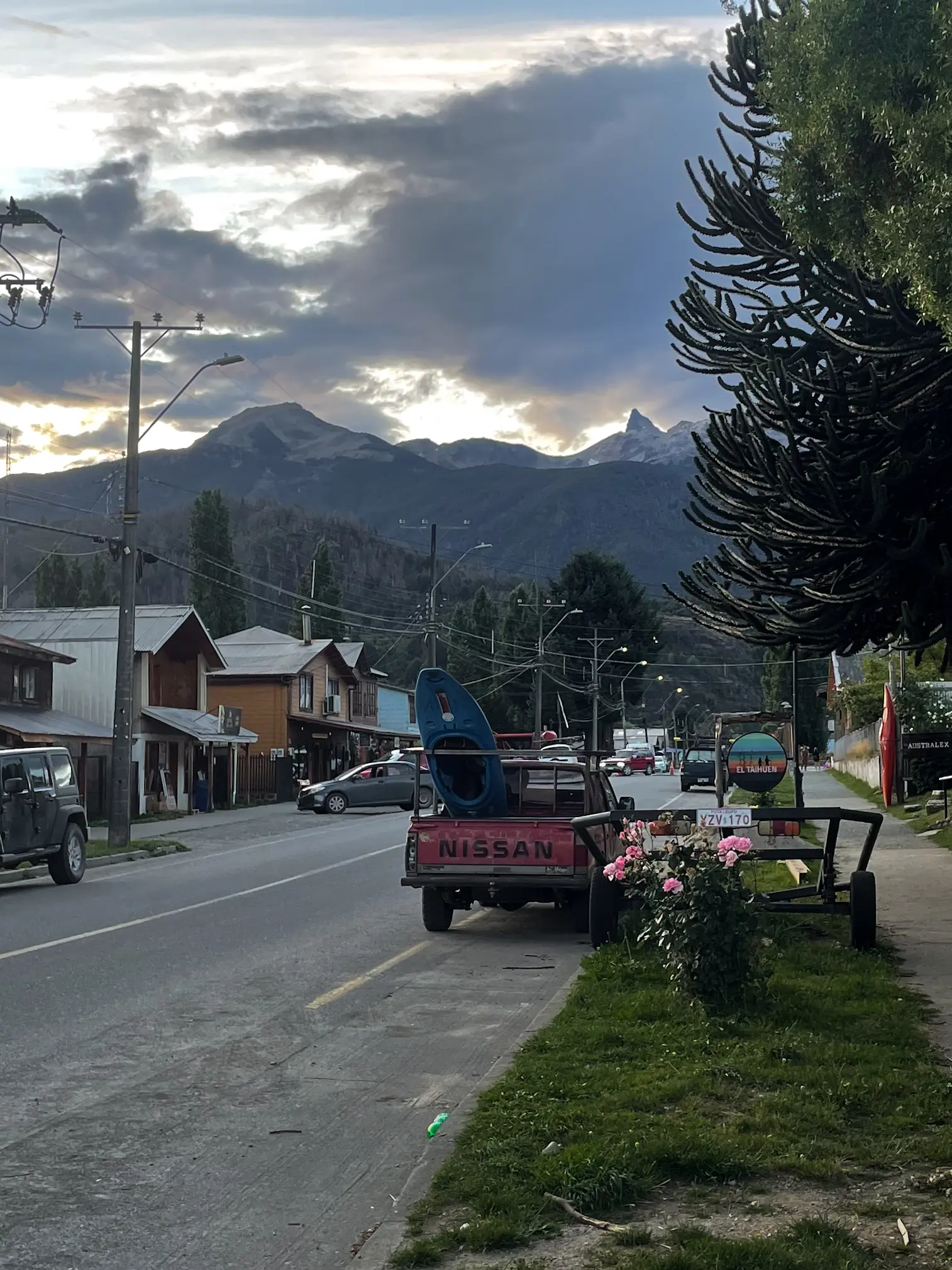
- Futaleufú is a small town but has the essentials: restaurants, pharmacy, gas station, ATM and shops
- Wild camping is regulated in some places, so ask the locals
- Plan for 3 to 6 days for your stay
- Daily budget: $38 per person per day
Where Is Futaleufú And How To Get There By Car?
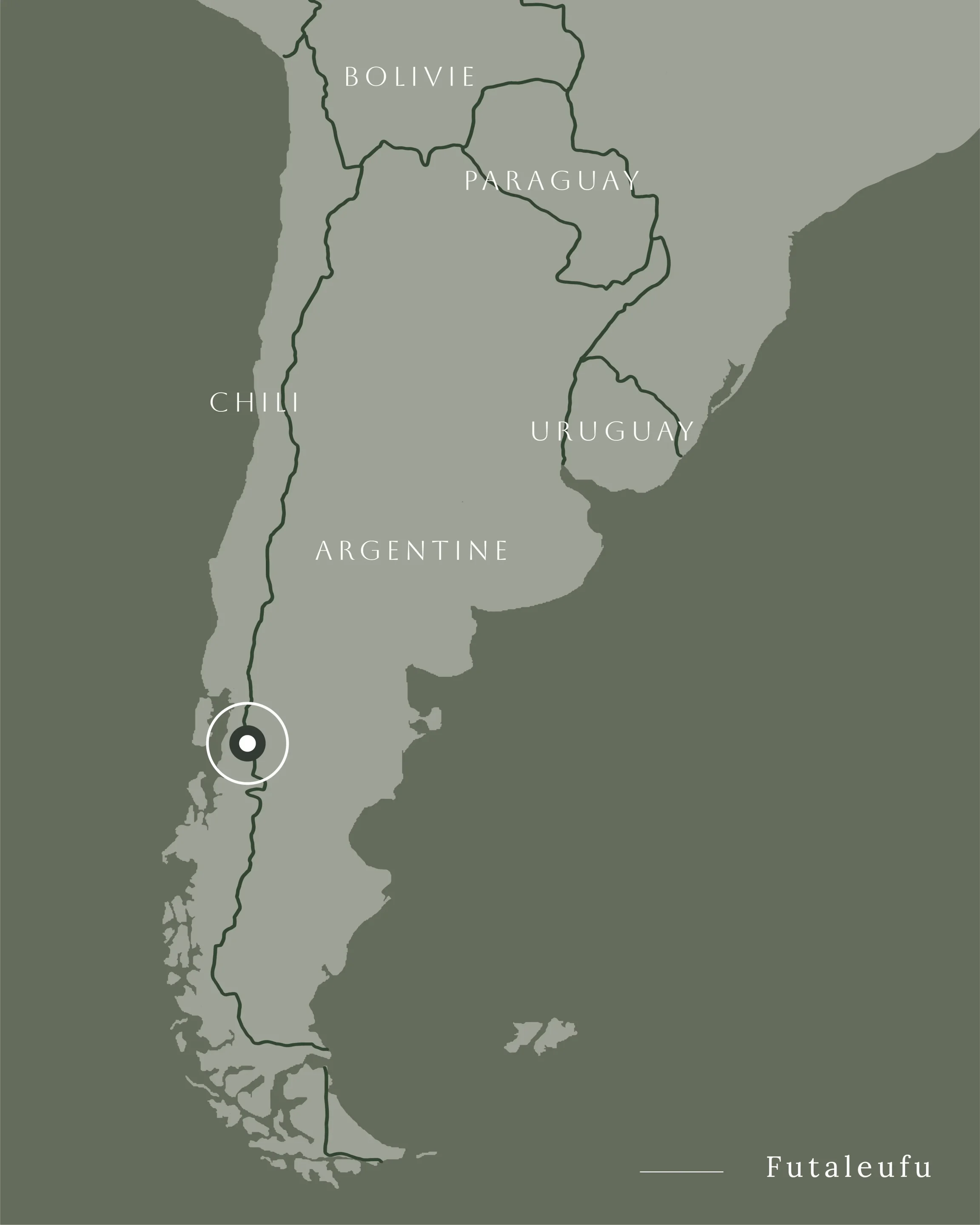
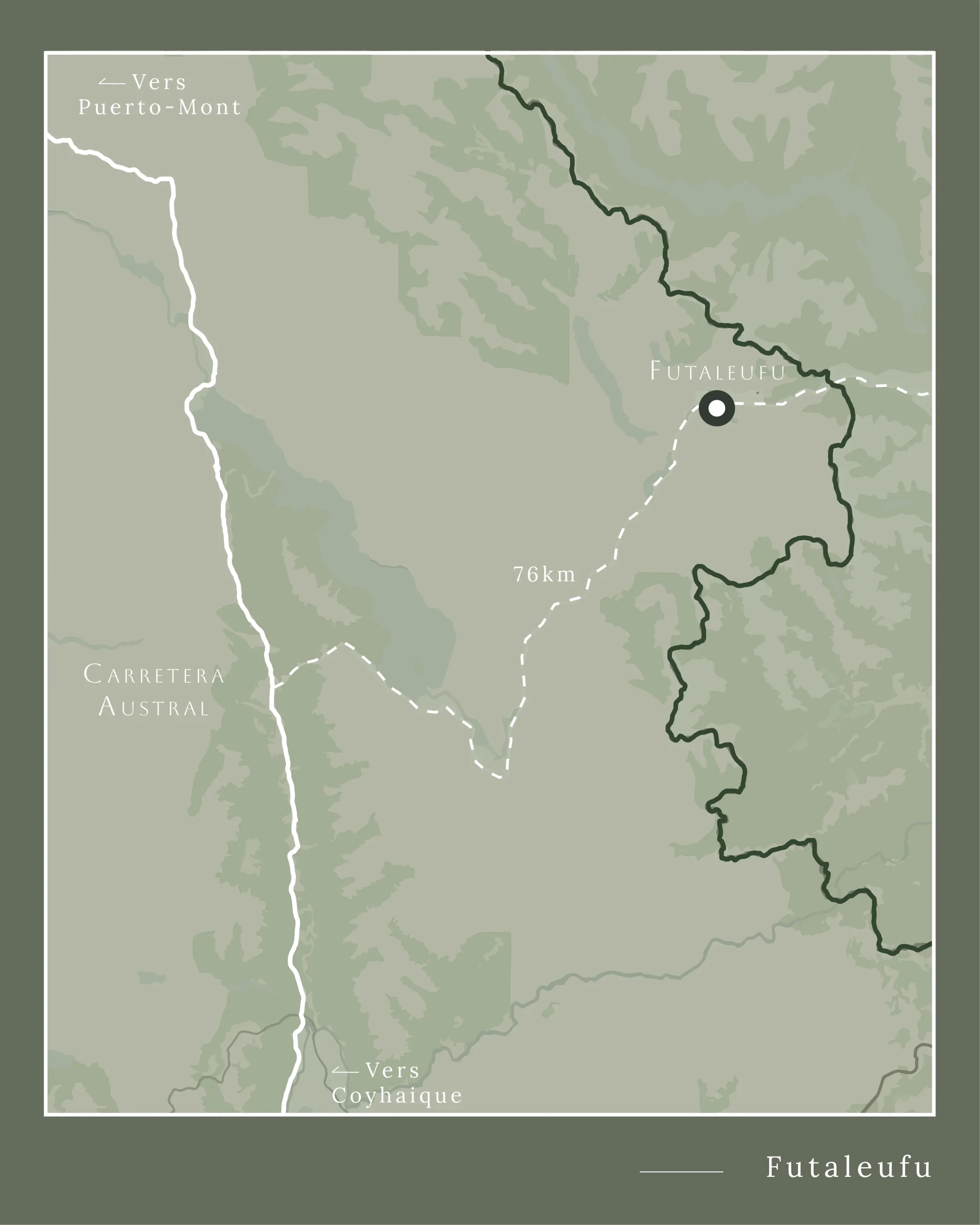
Futaleufú is in Chilean Patagonia, 250 miles south of Puerto Montt. The town sits on the Argentine border, which is only 6 miles away. These distances may sound reasonable, but what really matters in Patagonia is how many hours it takes to cover them.
By car, there are two ways to reach Futaleufú. The first is to come from Argentina, more precisely from a town called Esquel. The second is to take the Chilean route: the Carretera Austral (Ruta 7). Since we were crossing Chile from north to south, we naturally chose this option.
- Ferries: Not Mandatory Depending On Your Route
Driving down the Carretera Austral involves two ferry crossings. The first goes from La Arena to Caleta Puelche. This crossing is not compulsory: there is a 80-mile detour via Ruta 225 and V-69. The main reason to take this path is to discover the Cochamó Valley, also called "the Chilean Yosemite".
The second ferry cannot be avoided. It goes from Hornopirén to Caleta Gonzalo and involves two ferries separated by a 13-kilometre road.
- The State Of The Road To Get There From Chaitén
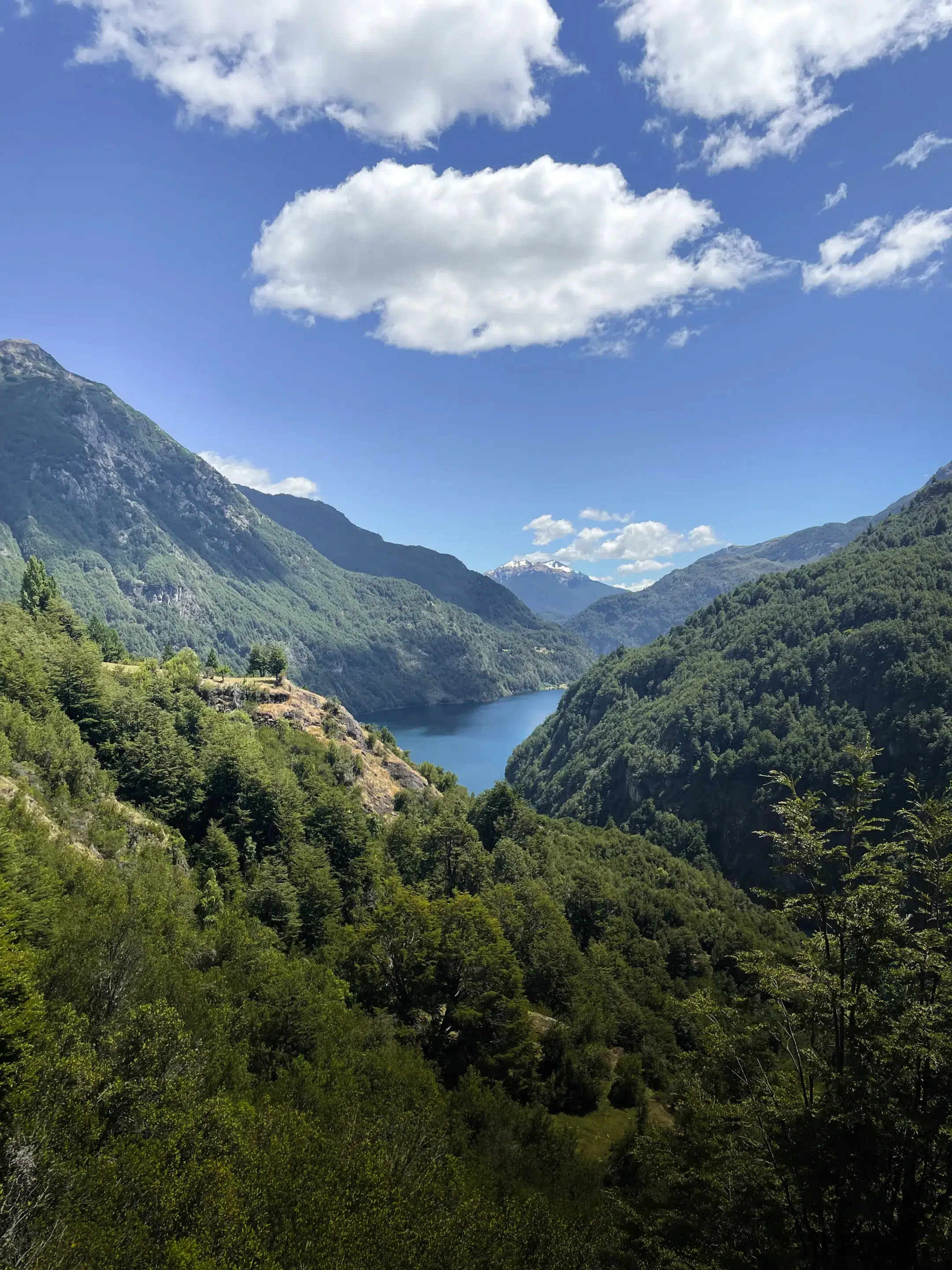
From Chaitén you will drive a 47-mile long asphalted road until the junction leading to Futaleufú. To reach the town, you have to trade the comfort of the aspahalt for a dirt road (Ruta 225), here on Google Maps.
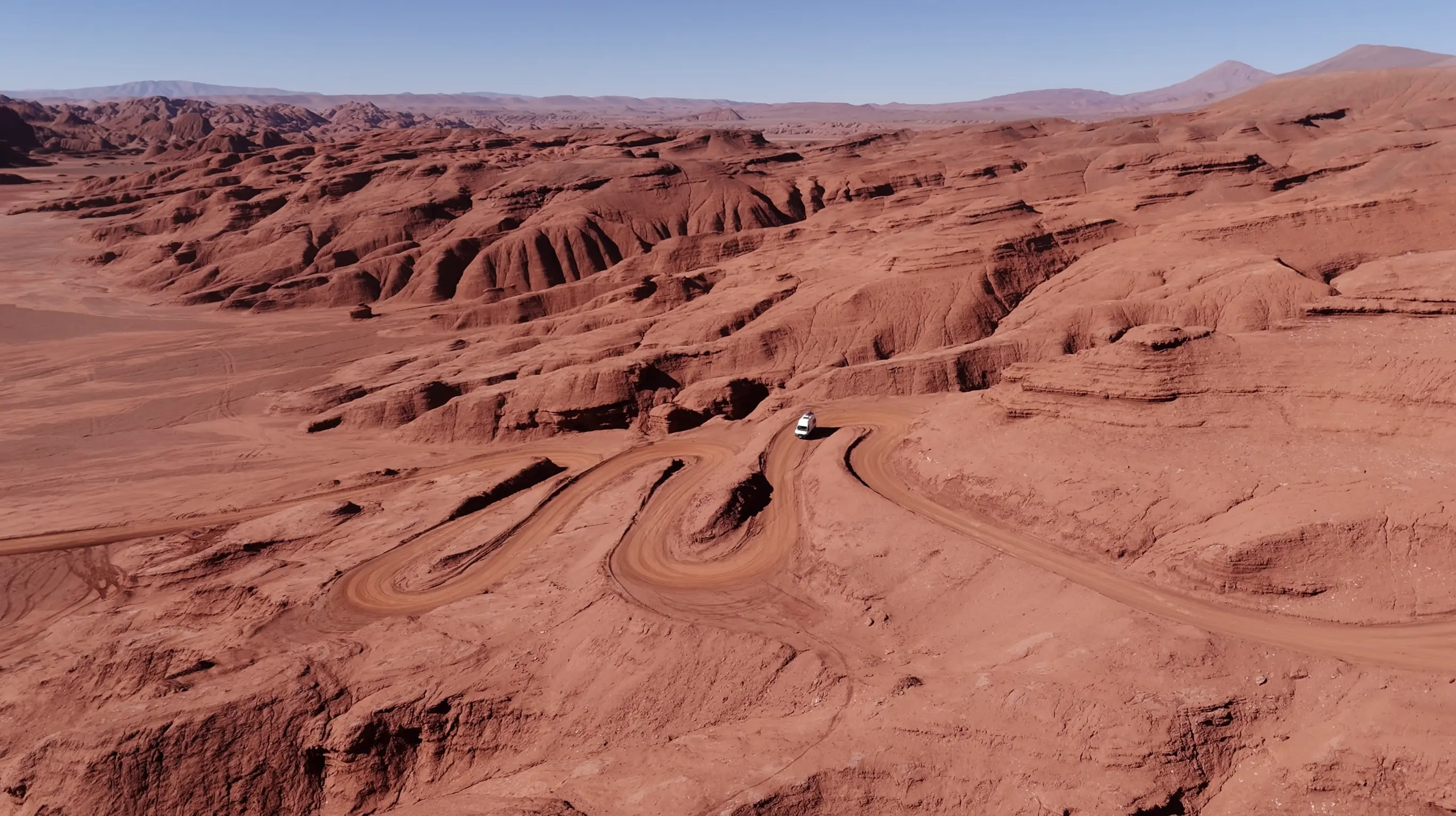
This dirt-track is 47 miles long as well and is not maintained (or had not been recently when we passed). A good part of this road is made of series of small bumps that make driving uncomfortable and tedious. It took us more than 3 hours of driving.
How Long Should You Plan For?
We stayed 6 nights and 6 days in Futaleufú. We had planned to stay a shorter time, but the various activities and the atmosphere of the place made us want to stay longer.
For travellers in more of a hurry who are wondering how long to spend, 3 days is enough for a hike and the rafting. To make the most of it, as we did, plan for at least 5 to 6 days.
Where To Sleep And Camp In A Van?
Travelling in a camper van, our favourite overnight spots were often far from town centres and close to nature: a small stream, a mountain lake or a big green meadow. For this we used iOverlander every day. It is a community app where travellers share their tips and experiences. A comment system lets you read reviews and see photos from several people.
Sleeping for free in Futaleufú was not the easiest thing, and it was the only downside of our time there.
- Our Camping Spots
The main difficulty is that most of the listed spots, located on the banks of the Río Espolón, seemed to have been banned recently. A ranger kindly warned travellers about the ban. In addition, new signs had been put up prohibiting camping on the banks of this river. We strongly recommend following local regulations. This rule was in force in February 2026, but it may change.
After a visit from the ranger, we spent the rest of our nights in the COPEC car park. The setting was less idyllic, but we could use the public toilets and had access to drinking water.
- What We Do Differently
Looking back, knowing that we stayed 6 days, we would have chosen a paid option to enjoy a more pleasant environment on our rest days. For example, Camping Los Cerezos.
For those who want a comfortable and more exclusive break, Uman Lodge offers a luxurious retreat in the middle of nature. We also fell in love with the cabins at Mapu CABINS. Unfortunately, they were above our budget.
Things To Do in Futaleufu: Our Hikes
The best gift Futaleufú has to offer is, without a doubt, the superb hikes we did.
- Hike To Lago Noroeste
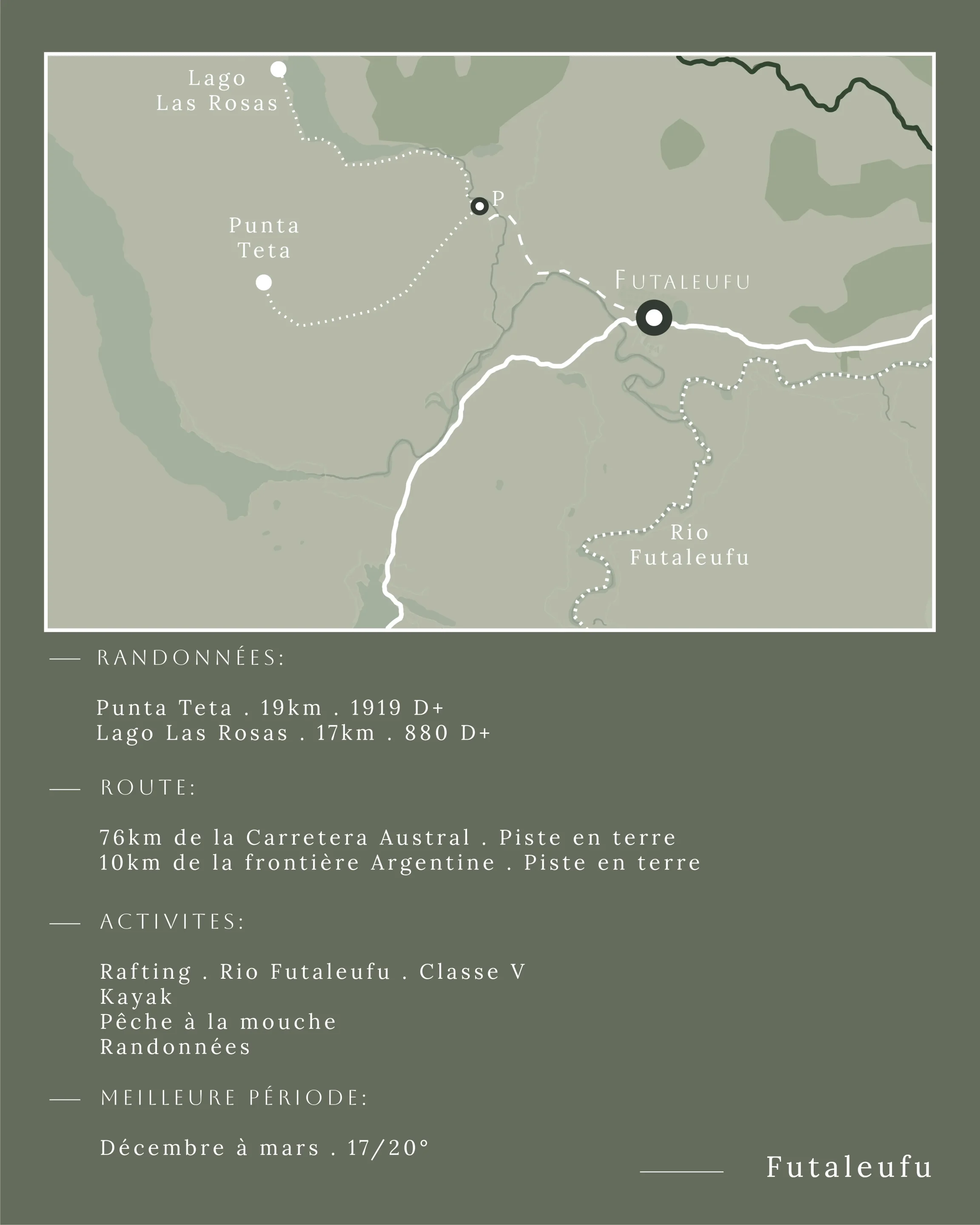
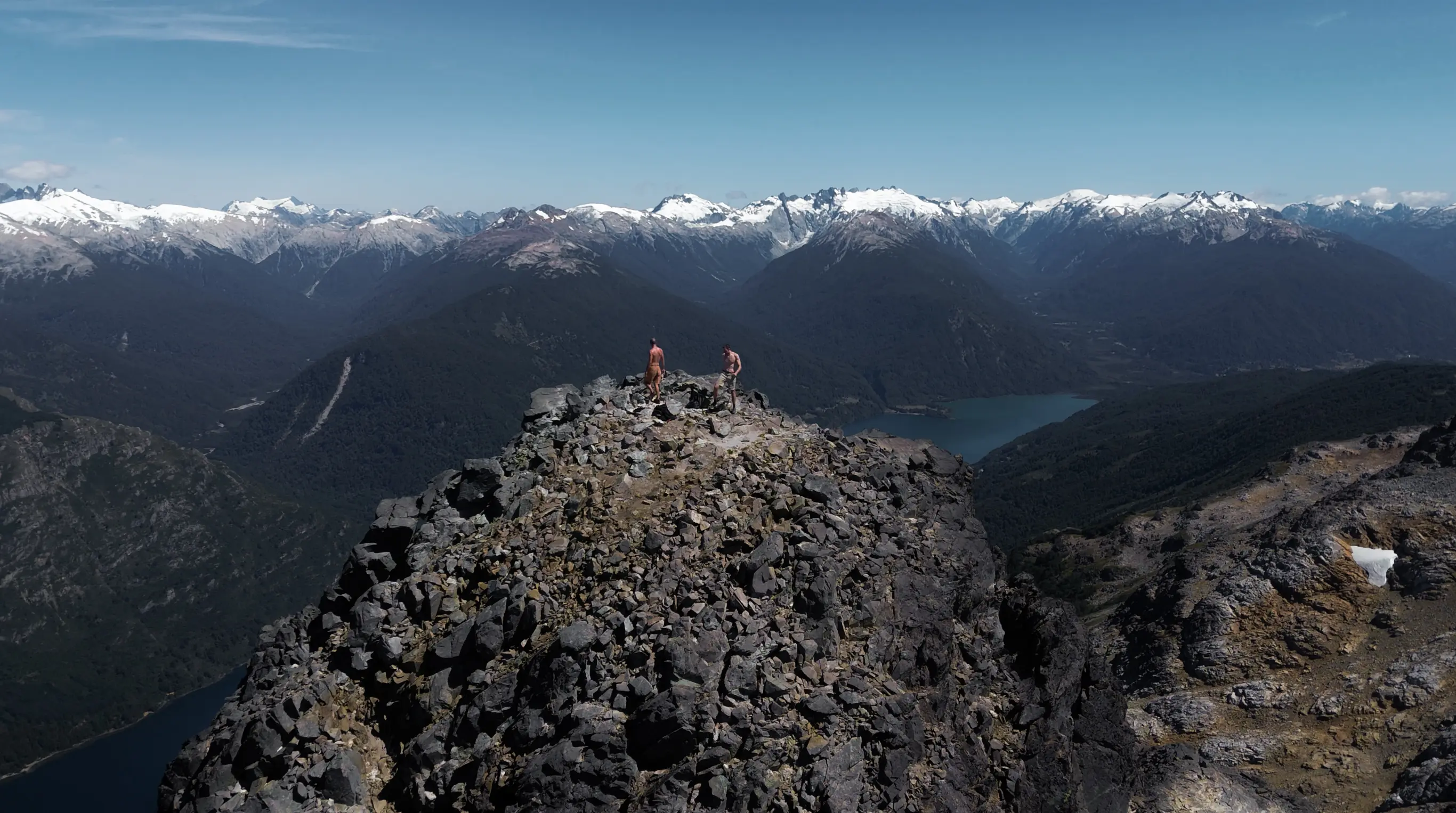
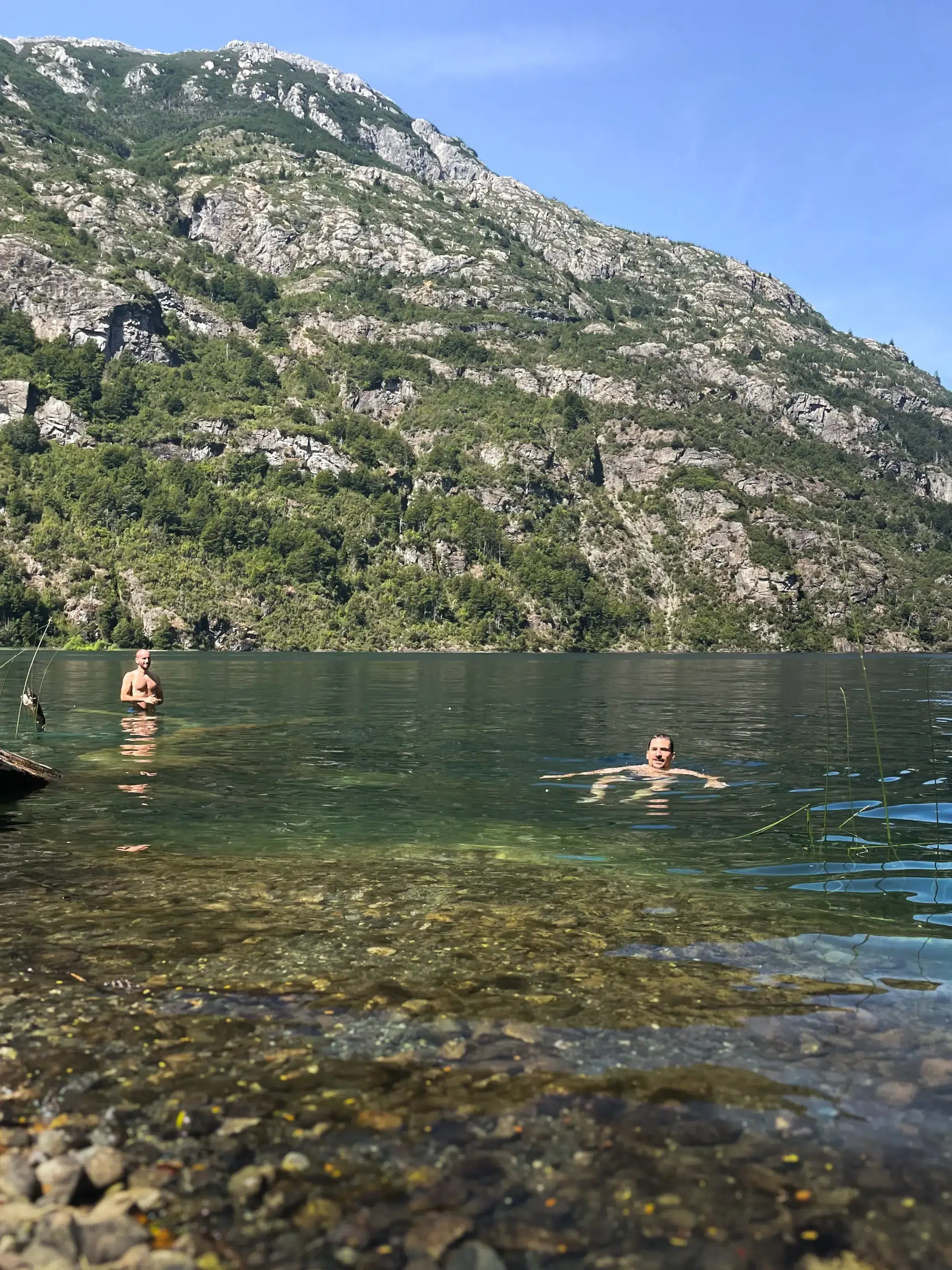
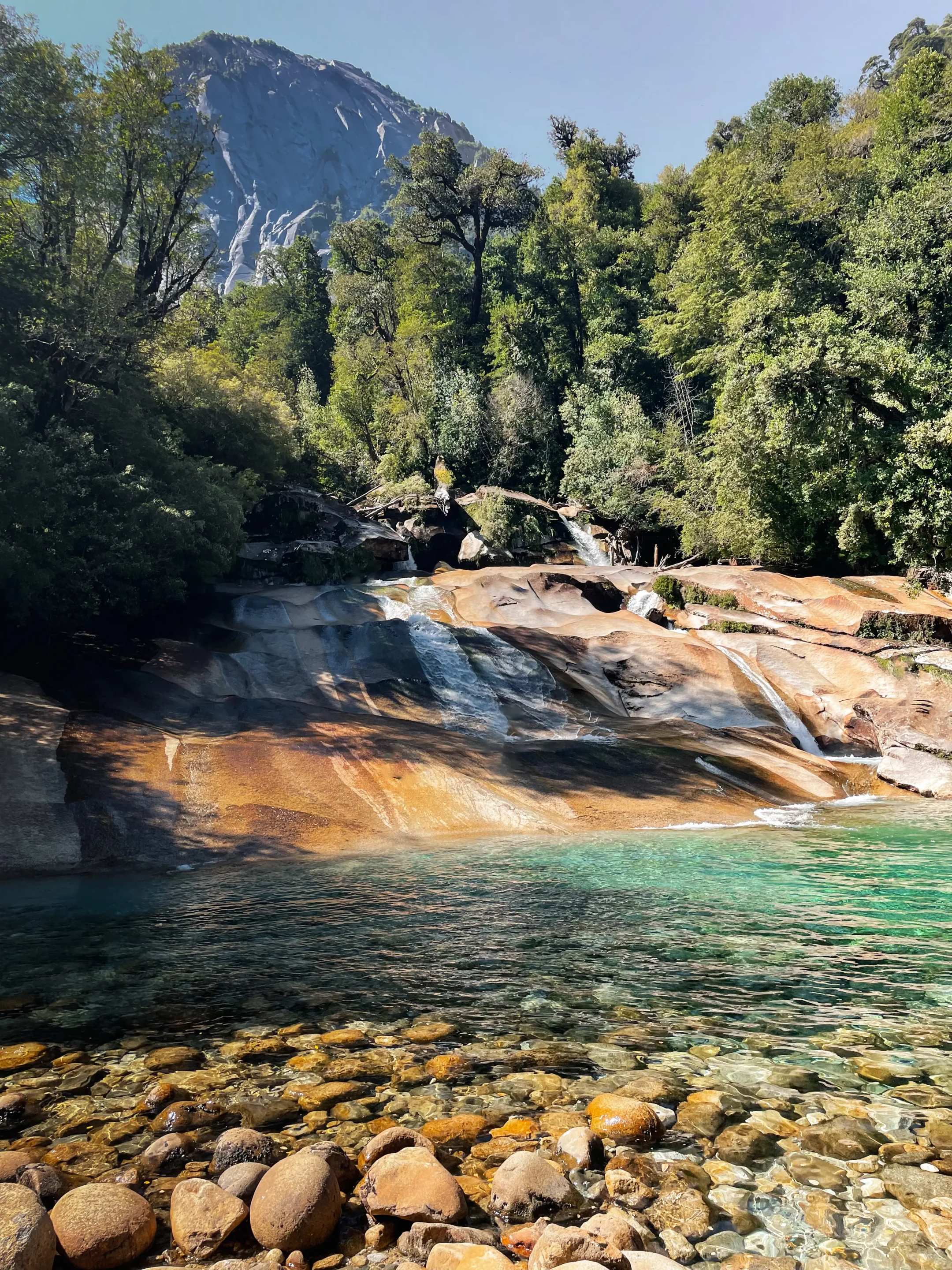
A beautiful trail along a hillside overlooking Lago Noroeste, a lake with translucent, pastel-blue water. It is a technical path with is a series of descents and climbs, which makes it physically quite demanding.
The reward is worth it: a refreshing dip in the still waters of the lake. The surface of the water is warm, but just a few metres down, the temperature drops suddenly.
If you have a bit of energy left, you can push on to Lago Las Rosas, a few kilometres further up. Along the whole route, we met nobody, and we even spotted what we think was a puma print. Incredible!
Technical Specs
- Hike name: Lago Noroeste
- Distance: 10,4 miles (round trip)
- Elevation: 880 m gain / 880 m loss
- Duration (excluding breaks): 4 h 28
- Difficulty: Moderate
- Starting point: -43.168013, -71.901646
- Climbing Punta Teta
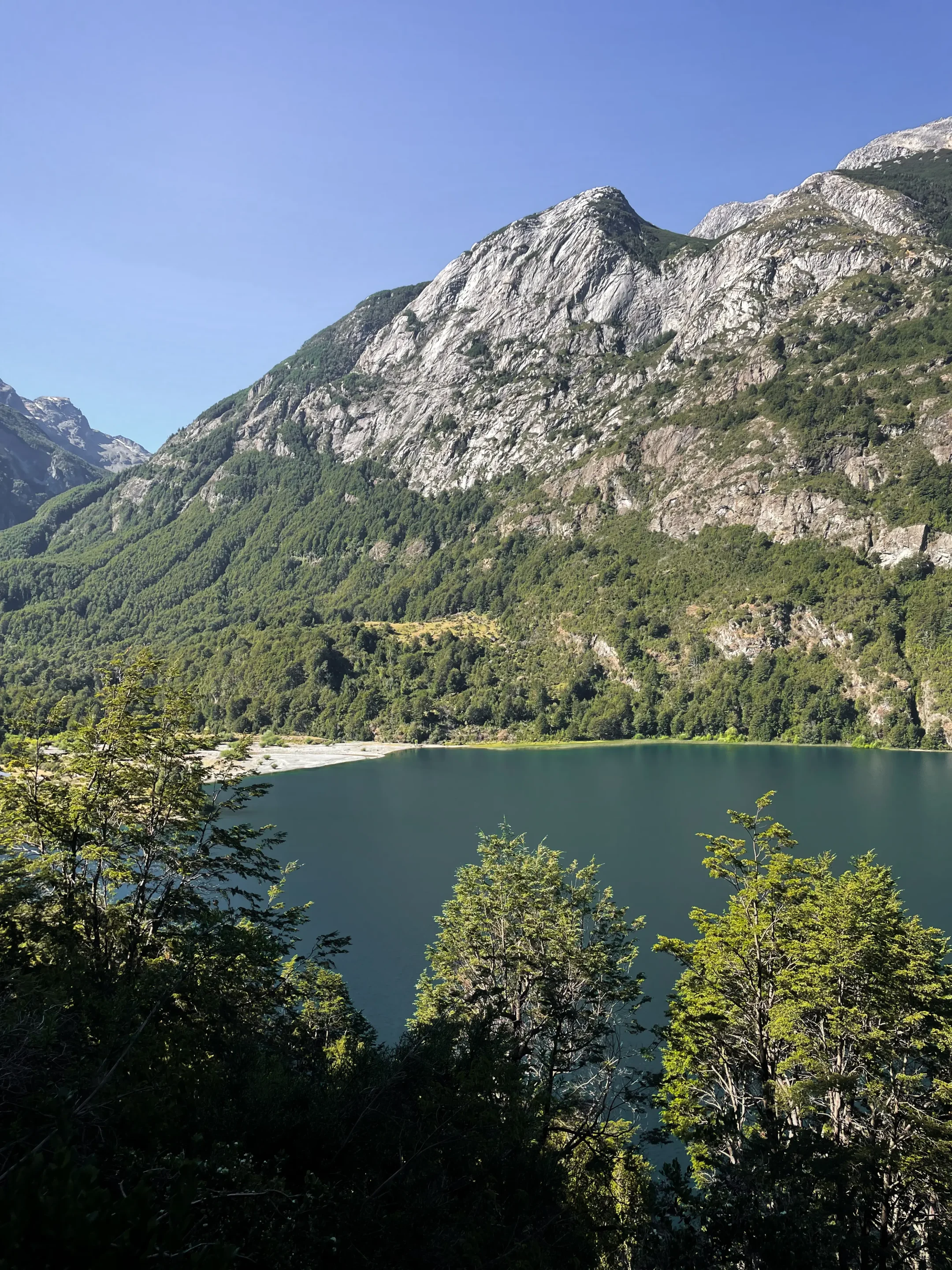
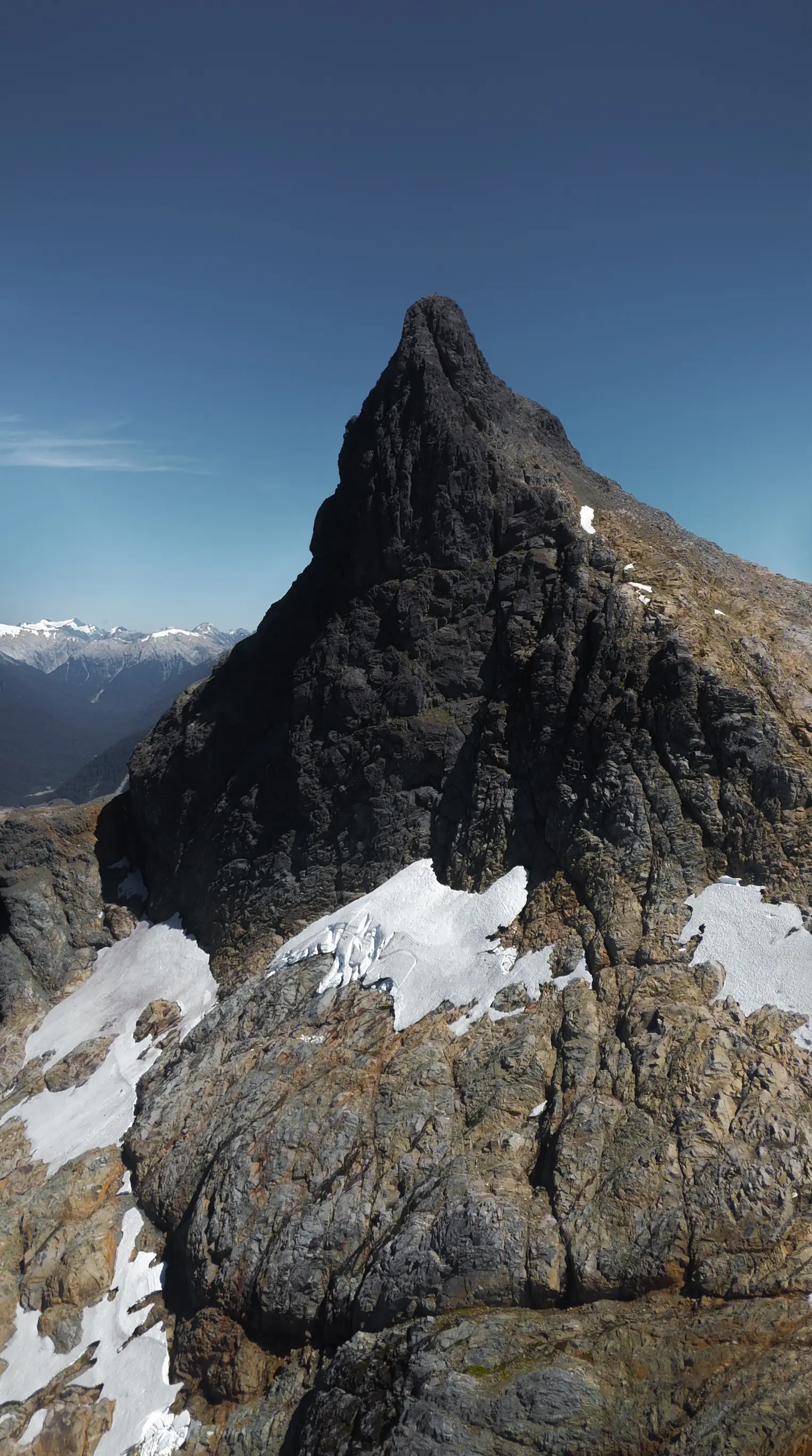
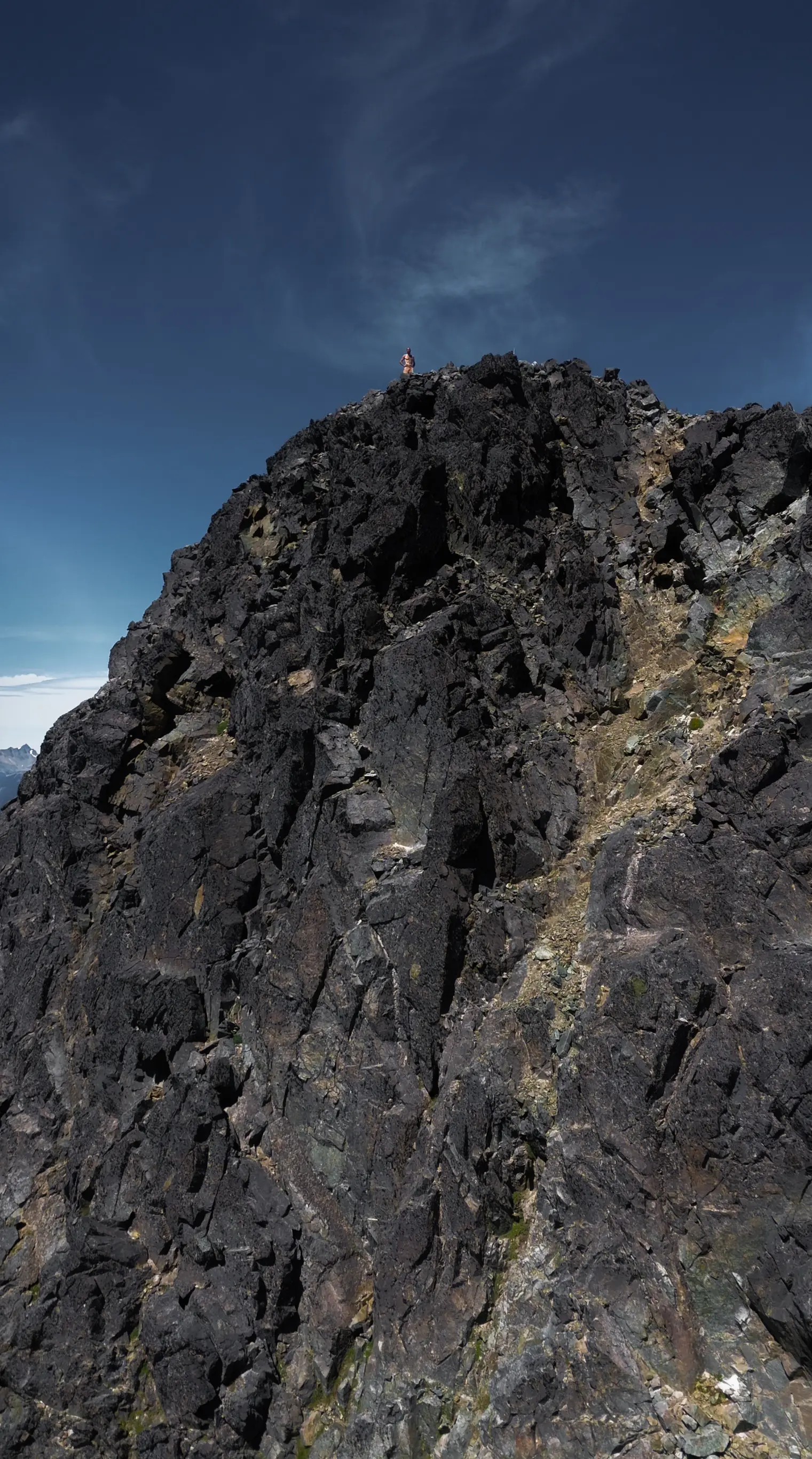
The most beautiful climb of our trip, but also the most demanding. This black rock peak can be seen from the village and rises over 1,700 metres above sea level. To reach it, you have to take on an almost continuous 9-kilometre ascent. The slopes are steep and the final approach to the summit has to be climbed carefully.
These slopes are snow-covered for much of the year, so check snow conditions beforehand, as depending on the season the climb may require crampons and mountaineering equipment. We were lucky enough to enjoy perfect weather (hike done in February 2025).
We walked across a few patches of permanent snow, but the trail was passable overall. The last vertical section leading to the summit requires the use of your hands and is a serious obstacle.
It is recommended to study the route in advance: most of the trail is not signposted and follows only a single track that is sometimes uneven. The hike is not officially marked, and the route is left to your own judgement, so get information on conditions from a tourist office or local hikers before setting off.
Technical Specs
- Hike name: Punta Teta
- Distance: 11,7 miles (round trip)
- Elevation: 1,918 m gain / 1,918 m loss
- Duration (including breaks): 7 h 50
- Difficulty: Very hard
- Starting point: -43.168013, -71.901646 (same starting point, turn left straight away towards a private property)
White Water Rafting in Futaleufú
The main reason for our stay: internationally renowned rafting. Several operators in the town centre offer water activities such as rafting and kayaking.
Find our photos and videos of Futaleufú on our Instagram account @deux.cactus.
- Which Company And At What Price
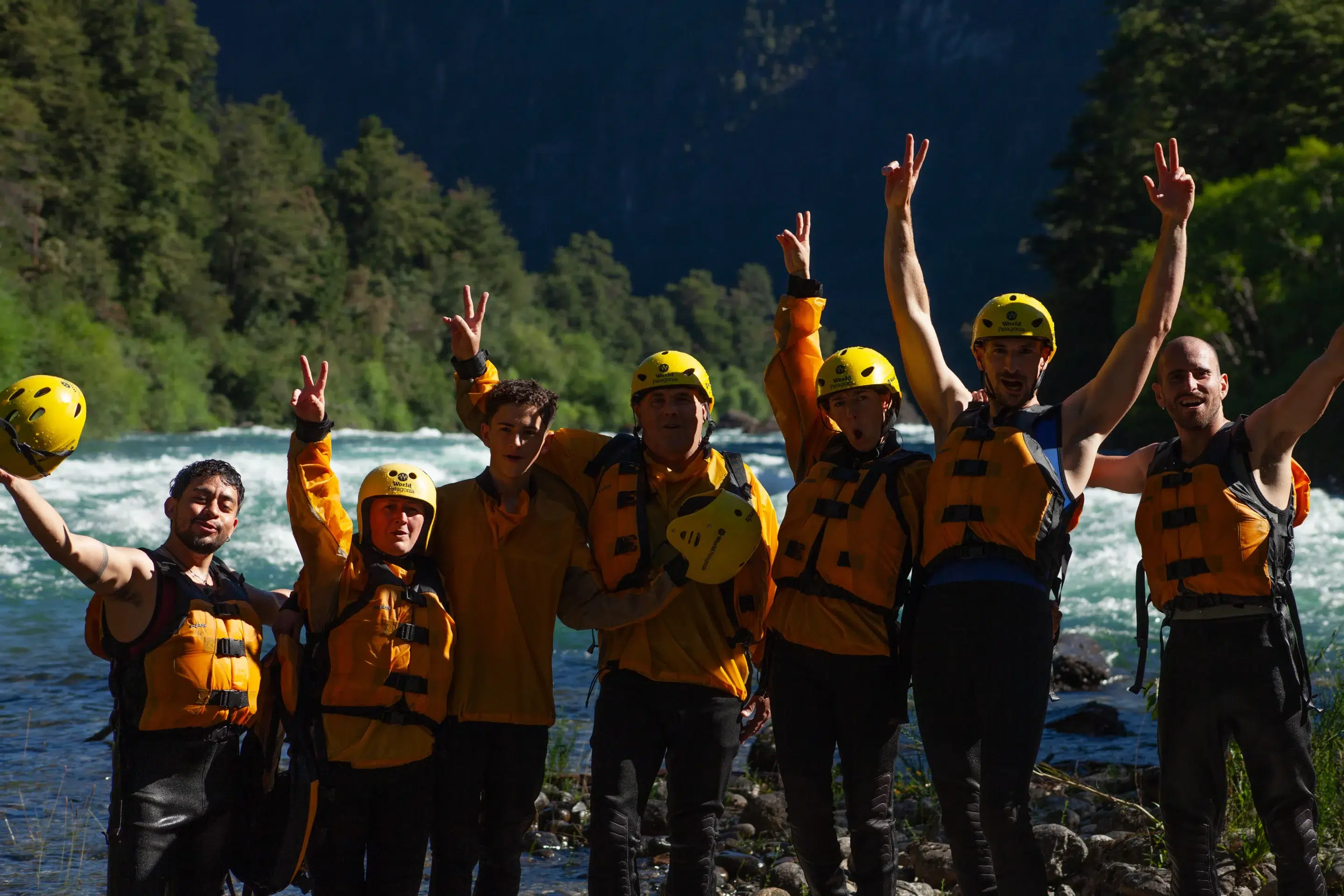
We chose World Patagonia Rafting Río Futaleufú and paid CLP 65,000 per person, €126 in total for two. We got a small discount for paying in cash. We advise bringing cash before you arrive, to avoid paying withdrawal fees. These prices were obtained in January 2026.
- Rafting Season
The best season to visit Futaleufú is the austral summer, running from December to February. This period offer the highest daytime temperatures, while rainfalls lay at their lowest point of the year, making the river entirely runnable.
Yet, since 1970 the river is no longer fed purely by snowmelt and rain. A dam located in Argentina actually dictates water levels which will significantly vary from one day to anoter depending on energy demand. The day we actually rafted the river, the staff told us water level was higher than usual.
- Our Experience
World Patagonia answered our messages quickly and efficiently. They run trips twice a day, which makes it easy to join a group.
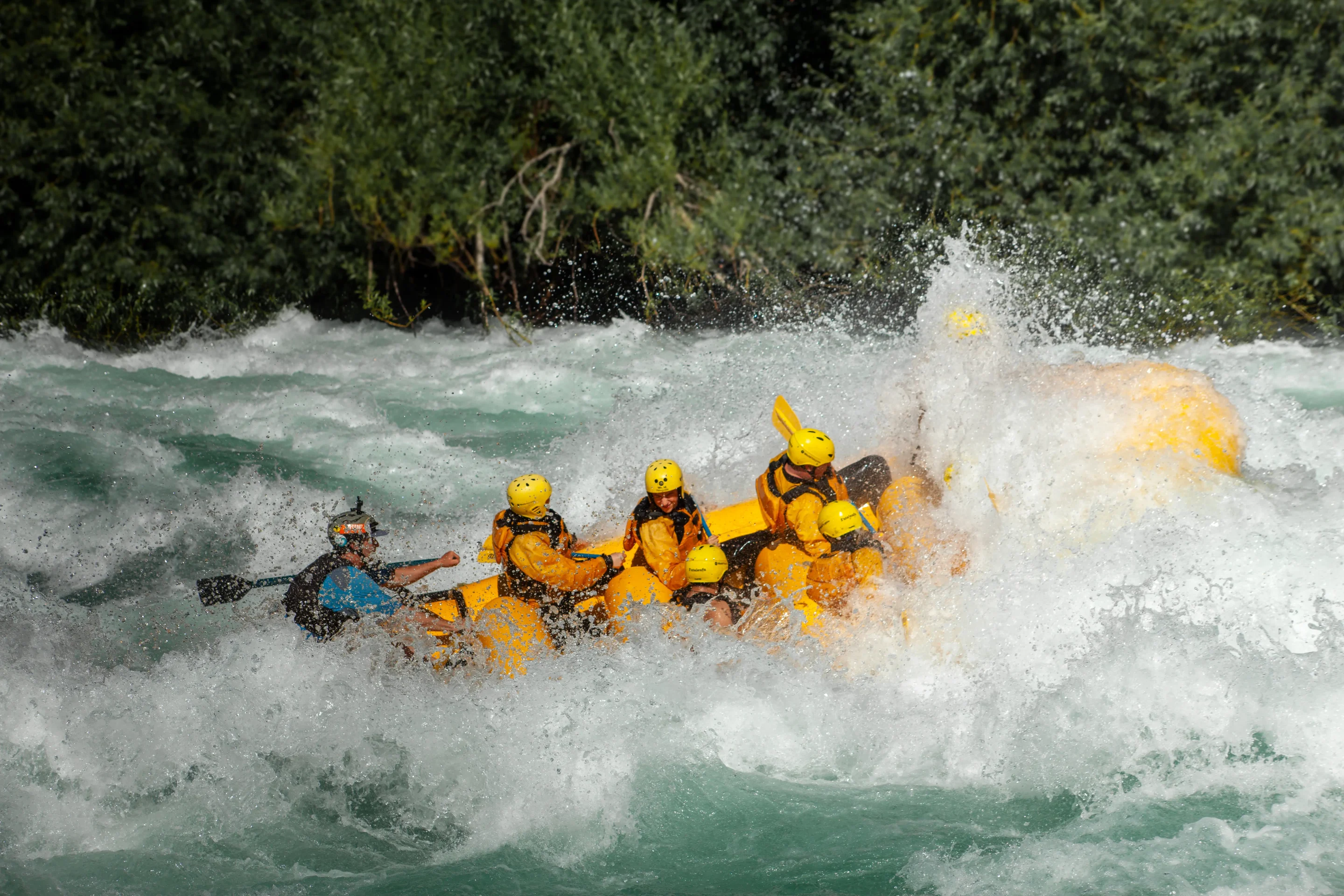
The section rafted called "puente a puente" (from bridge to bridge in Spanish) is the same for all operators and generally offers more than ten rapids, graded from III to V+, the top of the scale being VI. It is very bumpy and impressive if it’s your first time. You must be able to swim, and young children are not accepted.
We felt safe from start to finish. There is a very serious safety briefing before the descent, where you learn the right reflexes and instructions. In addition, each raft is supported by several staff members ready to rescue us. They travel alongside in kayaks to prevent anyone falling out in the technical sections.
Actual Budget For 6 Days In Futaleufú
- Food: $139
- Restaurants: $63
- Snacks: $36
- Other (laundry, fuel): $77
- Rafting: $136
A total of $451 for two people, which works out to $38 per person per day.
Our Tips
- Where To Eat in Futaleufú?
The only restaurant we tried was Río Grande Restaurant. A classic restaurant, with mostly meat-based dishes. Budget-wise, it cost us $55 for two. Good value for money.
Our culinary gem: succulent burgers. We discovered a small food trailer, set back slightly from the road. The speciality is simple: juicy, inexpensive burgers. The address is Trata de Caerme Bien. A place to meet locals, including our rafting guides after their working day.
- Where To Buy Groceries In Futaleufú?
We chose the small supermarket Sol de la Patagonia. It has everything you need for cooking: fresh produce, but above all delicious cookies. For outdoor clothing, the shop El Taihuen offers a good range of Patagonia gear.
- Where To Fill Up In Futaleufú?
To fill up, there is the Copec petrol station on the east side of town. Impeccable service and free, clean public toilets.
- Where To Withdraw Cash In Futaleufú?
As everywhere in Chile, we mainly paid by card. We needed cash to pay the rafting company though. We already had the money, but there is an ATM at the Bancoestado branch. We didn’t try it, and we recommend checking exchange rates and any fees before withdrawing.
There is also a small currency exchange office, the “Casa de cambio”, but we have no first-hand experience of it beyond its listing on iOverlander.
Is Futaleufú Worth Visiting ?
YES! Futaleufú with its rivers and mountains is one of the highlights of our 8-month road trip in South America. We would do it all over again without a doubt.
What makes it so special? For us it is a mix of the wild white water rafting, the insane hikes and the chill vibe around the center. The road to get there is bumpy but you will soon forget it while running a crazy ride on the class V rapids of the river.
Our final thought is that, comparing to other activites in Patagonia, this was way less touristy. And this can be a game changer as Patagonia is know for being sometimes crowded.
Road Trip On The Carretera Austral
In our view, a stop in Futaleufú is essential if you are planning a road trip on the legendary Carretera Austral. We drove the vast majority of it, and this stop remains our favourite. Before Futaleufú, take the time to visit the Cochamó Valley, which can only be reached on foot.
FAQ
Do you need a 4x4 to get to Futaleufú?
No, although the road is uncomfortable, it is perfectly passable in a 2WD vehicle.
How much does rafting in Futaleufú cost?
CLP 65,000 or $68 per person (January 2026).
What is the best season to visit Futaleufú?
The best time is from December to February, which is the austral summer. It is also the busiest tourist period.
Can you camp freely in Futaleufú?
No, some local regulations have been put in place, notably along the banks of the Río Espolón.
Is Wild Camping Allowed in Futaleufú?
Most of the spots foundon iOverlander were located on the banks of the Río Espolón and seemed to have been banned recently. After staying there a night, a ranger kindly warned us about the ban. We spent the rest of our nights in the COPEC car park. Looking back, we would chose a paid option, for example, Camping Los Cerezos.
How To Get To Futaleufú from Chaitén?
From Chaitén you will drive a 47-mile long asphalted road until the junction leading to Futaleufú. To reach the town, you have to trade the comfort of the aspahalt for a dirt road (Ruta 225), here on Google Maps. This dirt-track is 47 miles long and took us more than 3 hours of driving.
0 Comments